

May 01, 2025
Why Your Food Business Can’t Afford to Stay Wrapped in Paper
At a Glance Choosing between plastic or paper means weighing cost, performance, and sustainability trade-offs — paper is often pricier and less protective for fresh foods. Plastic offers superior barrier protection, reducing spoilage and food waste compared to paper wraps. Paper may lead to higher packaging and handling costs, and often lacks moisture resistance. Hybrid […]
Read More +

Apr 28, 2025
Warning Signs When Selecting A Food Packaging Supplier
At a Glance Packaging supplier warning signs include missing certifications, poor quality control, and resistance to audits, all of which signal misaligned priorities. Lack of traceability and inconsistent product quality across lots can lead to costly recalls or production delays. Unresponsive customer service or unclear ownership structure often means you won’t get support when issues […]
Read More +

Apr 24, 2025
The Bioplastics Gamble: Why Food Companies Need to Think Twice
At a Glance Bioplastics in food packaging seem eco-friendly, but they often need special composting facilities and don’t always meet shelf-life or performance needs. Conversion challenges exist, including cost premiums, supply uncertainty, and uncertain end-of-life effectiveness. Some bioplastics still rely on food crops, raising sustainability and ethical concerns. Brands benefit by fully vetting bioplastic claims, […]
Read More +

Apr 17, 2025
Microplastics and Food Packaging: Separating Fact from Fiction
At a Glance The amount of microplastics in packaging that sheds into food is very low, with most migration coming from environmental sources instead. Most microplastic concerns stem from broader pollution, like washing synthetic clothes or tire abrasion, not packaged foods. Material choice and design matter: smoother surfaces and high-quality films reduce potential particle release. […]
Read More +

Apr 10, 2025
Greenwashing Alert: The Truth About Plastic Food Packaging
At a Glance Greenwashing of plastic food packaging occurs when brands promote eco-friendly claims without real environmental improvements. Misleading terms like “eco,” “green,” or “plant-based” often mask non-recyclable or virgin plastic content. Transparency and third-party verification are essential — things like clear resin codes, PCR content, and certs matter. Real progress requires measurable outcomes, such […]
Read More +

Mar 27, 2025
Plastic vs. Compostable Food Packaging: Which Is the Right Fit for Your Business?
At a Glance Plastic and compostable packaging each have pros and cons — plastic offers durability, clarity, and widespread recycling, while compostables appeal to eco-conscious consumers but demand proper composting facilities. Compostable options often cost more and may lack barrier strength unless specially designed. End-of-life systems matter — compostables only work if facilities exist; otherwise, […]
Read More +
Mar 25, 2025
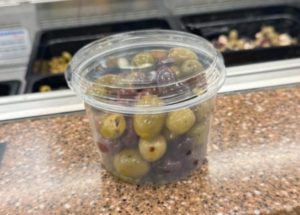
8 Food Packaging Problems Facing Grocery Retailers
At a Glance Packaging problems include damage, leakage, and poor shelf presence, driving increased returns and customer frustration. Retail readiness struggles like mis-sized packs and unclear labeling slow down restocking and complicate inventory. Sustainability inconsistencies, such as unclear recyclability claims, reduce customer trust. Cost pressures emerge from over-packaging and lack of material optimization, affecting profit […]
Read More +

Mar 20, 2025
Understanding Sustainability: A Must for Food Industry Professionals
At a Glance Understanding sustainability guides smarter packaging decisions, considering environmental, social, and economic impacts together. True sustainability goes beyond recyclability, including design for reuse, reduced material, and supply chain ethics. Measuring impact is key, using metrics like carbon footprint, water usage, and waste generation. Collaboration and transparency — across suppliers, brands, and consumers — […]
Read More +

Mar 04, 2025
Food Processor’s Guide: Solving Common Plastic Packaging Problems
At a Glance Plastic packaging issues like leakage, seal failure, and distortion can arise from material choice or process missteps. Mismatch between film and heat-seal parameters causes inconsistent sealing — optimize temperature, pressure, and dwell time. Material stretch or wrinkles during forming can lead to misaligned lids or weak spots — ensure proper film tension […]
Read More +
Jan 28, 2025
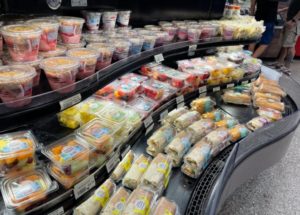
5 Problems with Plastic Fresh Food Packaging – And Tips to Overcome Them
At a Glance Food packaging problems include seal failure and leakage, which can damage product quality and shelf life. Weak barrier performance leads to moisture loss or gas exchange, so choose polymers and structures tailored to each product. Container deformation during transit can be solved with optimized film thickness and improved handling protocols. Label durability and […]
Read More +
