
May 19, 2025
Aluminum vs. Plastic Packaging: Pros, Cons, and Real-World Considerations
At a Glance Aluminum and plastic both have unique strengths — aluminum offers high barrier protection and recyclability, while plastics excel in light weight and design flexibility. Plastics typically have a lower carbon footprint during production and transport due to their lighter mass. Aluminum wins on reuse and infinite recyclability, but can require more energy […]
Read More +

Apr 07, 2025
PET vs. Polypropylene: The Wrong Choice Can Cost You
At a Glance Differences between PET & polypropylene hinge on clarity, barrier strength, and heat resistance — PET is clearer and more rigid, while PP handles heat and chemicals better. PET is best for visibility, making it ideal for display packaging and cold applications. PP is microwave-safe and more flexible, perfect for reheatable or hot-fill […]
Read More +

Feb 04, 2025
Plastic Resin Price Drivers: From Raw Materials to Market Demand
At a Glance Plastic resin price depends on feedstock costs, supply/demand, and global market dynamics, making pricing volatile and tied to oil and gas swings. Raw material ups and downs (like ethylene and propylene) ripple through resin costs to impact packaging budgets. Demand shifts from automotive, construction, and food sectors can tighten or ease resin […]
Read More +
Jan 08, 2025
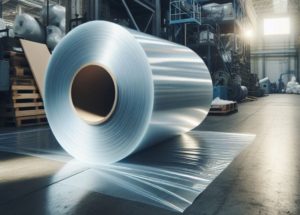
This is How Plastic Food Containers Are Manufactured: From Sheet to Shelf
At a Glance How plastic food containers are manufactured involves extrusion or thermoforming processes, where plastic sheets are heated and shaped into containers. Tooling molds and accurate temperature control ensure consistent shape, thickness, and performance. Post-processing like trimming and quality checks remove excess material and verify seal integrity. Final steps include inspection, packaging, and shipping […]
Read More +