At a Glance
- Processors and grocery stores operate with different production workflows — processors follow standardized, line-based processes, while delis use on-site batch prep. These structural differences shape everything from staffing to daily output.
- Grocery-prepared items feel more “homemade,” vs. how processors deliver tighter quality control and less waste.
- Processors use advanced packaging for shelf life and transport, while grocery stores rely on simpler containers meant for quick turnover.
- Many businesses choose a hybrid approach, using processors for volume and consistency while keeping some in-house flexibility.
Two mouthwatering chicken salad sandwiches rest next to each other in the refrigerated section of a local grocery store. One was crafted by the deli worker using yesterday’s rotisserie chicken. The other traveled hundreds of miles from a food processing facility. Think of them like the twins in “The Parent Trap,” only in sandwich form — they may look similar, but their upbringings couldn’t be more different.
Your perfectly crafted product sits unsold while that nearly identical version flies off the shelf three feet away. Same ingredients, similar packaging, and comparable price. So, what’s the difference? The answer comes from grasping production models that many food business pros often ignore.
Food business leaders face a critical decision that can make or break their success: How to produce and package their products. Get it wrong, and you’ll watch competitors capture market share while your margins shrink and quality suffers. Without this knowledge, you’re essentially gambling with your company’s future.
Inline Plastics has been in the business of creating safe and trusted packaging solutions for over 55 years. Recent conversations with a major food processor gave us some perspectives into this topic, and we’d like to share those with you today.
This article explains the key differences between how food processors and grocery stores operate. You’ll uncover insights that can help you make smarter choices. This way, you can outpace competitors who know these secrets. After all, in food, perception is a key ingredient.
The Hidden Problem: Production Confusion Is Costing You Money
 When food business leaders face production decisions without fully understanding how different systems actually work, the result can be costly mistakes that could have been avoided — like buying a luxury sports car to deliver pizza in a neighborhood with endless speed bumps.
The challenges are real and varied. Temperature fluctuations during transport can crack brittle lids or warp containers. Complex packaging requests can conflict with material science. For example, a container can be lightweight or extra strong — but not always both at the same time. Engineering doesn’t bend to wishful thinking, no matter how much we would like it to.
These issues uncover a bigger problem. Decision-makers may not fully understand how different production methods work.
The Assembly Line Revolution vs. The Recipe Card Reality
Food processors operate like well-oiled machines, literally (that was a cooking oil joke if it didn’t resonate). Every ingredient gets its own dedicated person. Bread goes down first, then lettuce, then tomatoes — boom, boom, boom. Each worker becomes an expert at their single task, creating consistency that would make Henry Ford jealous (he was the first to popularize the assembly line, in case you didn’t know). We promise no more quips will need clarification.
This approach creates consistency that drives real business results. When workers focus on one task repeatedly, they become experts. Quality improves. Speed increases. Waste decreases.
Meanwhile, grocery store delis operate more like home kitchens, just on a larger scale. One person reads a recipe card, grabs ingredients, and builds four sandwiches at a time. It’s craftsmanship over mass production, but it comes with trade-offs.
 The numbers tell the story. Processing facilities can turn out products at a rapid, assembly-line pace when everything runs smoothly. Grocery stores, by comparison, prepare items at far less speed, with only a modest number completed over the course of a shift. But here’s the twist: Customers often see the slower, less consistent grocery store version as “fresher” and “higher quality.”
Many brands want their products to feel as fresh and “homemade” as something from a grocery store deli case — but without the labor and complexity of making items in-house. That’s why some processors now design labels that echo familiar deli tags, using similar fonts and layouts. The only difference? No variable weight listed. It’s not trickery; it’s smart merchandising that meets consumer expectations while maintaining operational efficiency.
The Quality Control Conundrum: When Precision Meets Personality
Anecdotally, we learned that when a processing facility chef checked on their production line, workers joked about not putting “too much mayo” on sandwiches. But the reality wasn’t about mayo — it was about precision. Every portion gets measured. Every ingredient gets weighed. Nutritional panels must match exactly, or regulatory agencies come-a-knocking.
This level of control prevents costly mistakes. Processors test everything — literally throwing finished products around like basketballs to see how packaging holds up during transport. They modify recipes as ingredients change with the seasons. For instance, tomatoes can get very juicy in summer, while lettuce leaves become larger in the fall.
Grocery stores face different pressures. Each location interprets recipes slightly differently. One store’s chicken salad might be creamy and mild. Another’s could be chunky and heavily seasoned. Both follow the same recipe card, but human interpretation creates natural variation.
Think about it: Do any two people make a peanut butter and jelly sandwich exactly the same? If they do, they should be on “America’s Got Talent.” It’s a simple recipe, but the amount, type, and brand of the peanut butter and jelly vary wildly — toss in bread options, and it’s anyone’s guess.
Some customers actually like this variation. They enjoy the personality of handcrafted food. For businesses growing brand recognition in many locations, inconsistency can become a problem. Competitors may use it to their advantage.
It Gets More Complex When Packaging Enters the Picture
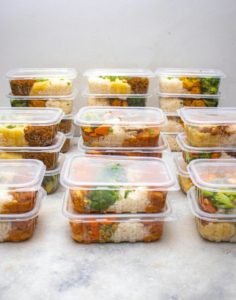 Here’s where things get technical fast. Processing facilities don’t just throw food into containers. They look at respiration rates (the exchange of gases) for various vegetables. They also study nitrogen flushing (infusing nitrogen gas into the package to offset aging) to extend shelf life. This creates a modified-atmosphere package that would impress a chemistry teacher.
Different greens need different gas environments. Spring mix requires oxygen to stay fresh. Romaine doesn’t. When you mix ingredients with different needs, focus on the most sensitive one. This is usually the component that spoils quickly and causes the most damage.
Get this wrong and the consequences compound quickly. Temperature fluctuations can crack brittle lids. Improper sealing leads to product loss. Even basic containers can fail if suppliers don’t maintain proper tooling standards.
Grocery stores usually prefer simple packaging. They use deli containers, plastic wrap, and simple labels. They’re focused on fast delivery and quick use, not long-distance shipping or a week-long shelf life. But simple doesn’t mean easy, and the wrong choice here can destroy margins.
Your Strategic Framework: Making the Right Choice
Success requires matching your production model to your specific situation. Here’s how innovative food businesses decide:
Choose processing partnerships when:
- You need consistent quality across multiple locations
- Volume justifies setup costs
- Complex packaging requirements exceed your capabilities
- Regulatory compliance demands specialized systems
Keep production in-house when:
- Flexibility matters more than efficiency
- Local customization drives sales
- Volume is too low for processing minimums
- Speed to market is critical
Consider hybrid approaches when:
- You need both consistency and flexibility
- Different products have different requirements
- Volume varies significantly by season
Innovation and Adaptation
 Both models continue to evolve. Some grocery chains are building commissary kitchens that operate like mini processing facilities. They get the efficiency benefits of assembly lines while maintaining the “made fresh” perception.
Processing facilities are now focusing on customized solutions. They work closely with retailers to craft products that appear locally made. This approach keeps industrial efficiency high — and let’s not forget that loving touch of a chef who cares about their recipe.
The future likely involves hybrid approaches. Adaptive processors are learning from the flexibility of grocery stores. Progressive retailers are adopting processing-style quality controls.
(Sand)Which Is Better Overall?
The real insight isn’t choosing one model or the other — it’s understanding how each system works, so you can optimize your approach. Whether you’re a processor looking to improve customer relationships or a retailer considering outsourcing options, understanding these operational differences can help you make better decisions.
Make the wrong choice and you’ll face supply disruptions, quality issues, and financial disasters.
That chicken salad sandwich in that grocery case didn’t happen by accident. It reflects the time spent testing, refining, and improving processes. Knowing the system — like how assembly lines work or the art of deli making — helps you succeed in today’s prepared foods market.
The key isn’t rushing into changes, but making informed decisions based on what actually works for your situation. Start by honestly evaluating your current approach. Does your production method give customers what they really want? Will your system be able to handle the production increase you’ll need?
Both approaches work. The trick is knowing which one serves your customers and your business best — before your competitors figure it out first.
Are you interested in learning more about food packaging? Visit our Learning Center today and discover a wide variety of topics.