Listen to the audio recording of this blog post or check out the featured Podcast about this topic.
At a Glance
- Premium products are judged in seconds, and packaging plays a huge role in whether shoppers perceive quality before they ever taste the food.
- Weak or damaged packaging undermines trust, value, and shelf appeal — even when the product inside is excellent.
- Container integrity, clarity, and merchandising directly impact food safety, shelf life, and consumer confidence.
- Premium packaging isn’t an added cost — it’s a value signal that can elevate products, reduce waste, and protect brand reputation.
You’ve nailed the recipe. The ingredients are top-notch. Your product genuinely tastes better than anything else out there. You should seriously consider auditioning for Top Chef. Yet somehow, that product that would make Gordon Ramsay blush is just sitting on the shelf.
So what gives? Are the food gods playing a cruel prank on your business? Look, this is hard to hear, but your product might not be selling because of how it looks. Let’s bring up the elephant in the aisle: Your packaging choice may be preventing your products from flying off the shelf.
At Inline Plastics, we’ve been providing trusted packaging solutions for over 55 years and know how the right (and wrong) choice can make or break a product’s success.
This article explores why premium products demand premium packaging, how merchandising affects consumer psychology, and what happens when there’s a mismatch between what’s inside and what’s outside. We’ll also uncover why treating packaging and product as one cohesive unit isn’t just smart — it’s essential in today’s competitive food market. So before you give up on those reality cooking show dreams, let’s take a deeper dive.
What Makes a Product “Premium” Anyway?
 First, let’s get clear on what we mean by “premium”. It’s not just about price tags (though they do tend to go hand in hand).
A premium product starts with quality ingredients and careful preparation. But here’s where it gets interesting: Premium is also about where consumers find it. The same product reads differently at a dollar store versus an exclusive retailer.
According to research by the Hartman Group in its 2025 Premiumization and Everyday Value report, consumers today define premium food products not just by ingredients but by how those products fit into their lives, with quality, experience, and personal relevance shaping their perception before they even touch your package.
Premium is about intentionality. Consumers can sense that care (or lack thereof) the moment they see your product on the shelf.
How Does Packaging Affect What Consumers Think of My Product?
Think about walking down the refrigerated aisle. You’re scanning dozens of options in seconds. What catches your eye?
Packaging is doing serious psychological heavy lifting. When merchandising is done right (proper stacking, intact containers, clear labeling, strategic shelf placement), it reinforces consumer confidence in what’s inside. The logic is simple: If the chef cared enough to present it beautifully, they probably cared about making it taste good too.
The inverse is equally true. Inferior packaging sends a message: “This product isn’t worth the investment.” Consumers make that calculation in milliseconds, and they move on.
Why Isn’t My Great Product Selling?
When a premium product is placed in subpar packaging, merchandisers may throw money at the wrong problems. They could mark it down, invest in promotions, or give it better shelf space.
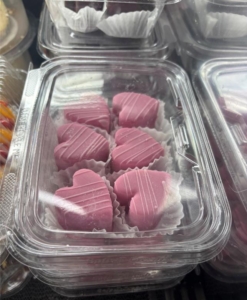
Let’s consider the product display below: Truffles selling for $1,200 (some are actually this expensive). Would you put them in a container with no tamper protection? Of course not — that would be absurd. The packaging would undermine the value proposition entirely (not to mention being a culinary sin). Yet, food businesses can make mistakes constantly with products that (while not truffle-priced) still deserve better treatment.

Should I Really Care About Container Integrity and Merchandising?
Short answer: Absolutely!
Container integrity affects everything from food safety to shelf life to consumer trust. When customers see leaky containers or damaged packaging, they don’t think “manufacturing defect.” They think “low-quality product.”
The lesson? Great products can’t overcome terrible packaging. But great packaging can elevate good products into premium territory.
What’s the Real Cost of Cheap Packaging?
 Here’s where it gets tricky. Packaging made with high-quality materials, strong clarity, and built-in tamper protection and leak barriers may cost more per unit. But what’s the cost of not using it?
Consider a store trying to sell a $5 fruit bowl. They could use any cheap container that holds fruit. But what if they invested in an attractive bowl design that looked beautiful on the shelf? Could that product become a destination purchase rather than a reluctant compromise? It’s quite possible.
When products don’t sell, you have waste. You have disappointed customers. You might even lose shelf space entirely. And we all know your premium products don’t deserve such a fate!
How Do I Know If My Packaging Matches My Product Quality?
Ask yourself these questions:
Would you be proud to gift your product to a friend? Does the packaging make you want to pick it up? When you see it on the shelf, does it look like it belongs next to the premium products or the bargain bin?
Be honest: Are you treating your product and packaging as one cohesive unit, or as two separate line items on a spreadsheet?
What Happens When Packaging Innovation Drives the Market?
The food packaging industry keeps evolving. Tamper-evident containers were once seen as a luxury. Now, they are an industry standard, especially for premium food products.
That’s how markets shift — one smart decision at a time.
Innovation isn’t just about being first. It’s about aligning your packaging evolution with your product evolution. Standing still means falling behind, especially in the fresh food market.
Let’s Just Say It: Your Product Deserves Better
 Your product isn’t just what’s inside the container. It’s the entire experience — from first glance on the shelf to that final bite at home.
Premium products deserve premium packaging because they’re not separate things. They’re partners in the same mission: Delivering value to customers and building your brand.
Every touchpoint matters. Every detail sends a message. And in a competitive market where consumers make split-second decisions, your packaging might be the only chance you get to tell your story.
So ask yourself: Is your packaging helping or hurting? Are you investing in the full experience, or just hoping quality alone will win?
Because here’s the truth: Quality alone isn’t enough anymore. It never really was.
Your product deserves a container that lives up to what’s inside. Your customers deserve to see your care and craftsmanship before they even open the container. And your business deserves the competitive advantage that comes from treating the entire package as the premium product it is.
At the end of the day, the question isn’t whether you can afford to invest in premium packaging. It’s whether you can afford not to.
Are you interested in learning more about packaging for fresh food? Visit the Inline Plastics Learning Center today and explore a wide range of topics.