Listen to the audio recording of this blog post or check out the featured Podcast about this topic.
At a Glance
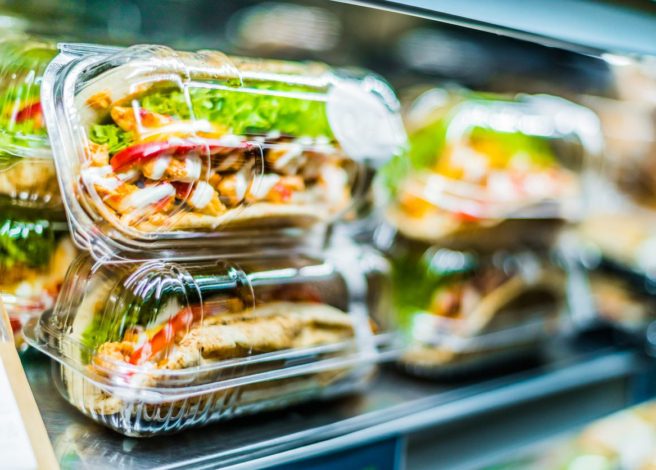
- Sandwich packaging trends in 2026 are being shaped by changing consumer preferences for portion flexibility, protein-rich options, and grocery-prepared meals that compete with restaurants.
- Resealable, clear, and sturdy packaging helps preserve freshness, showcase ingredients, and deliver the convenience shoppers increasingly expect.
- Premium breads, handheld formats, and value-driven portion sizes are fueling continued demand for sandwiches across grocery deli programs.
- Food businesses that align packaging with these consumer expectations can improve presentation, reduce waste, and build stronger consumer confidence.
Submarine. Hoagie. Grinder. The HERO (see what we did there?) of our article today is the almighty sandwich and how trends in shopping behavior, presentation, and convenience have influenced packaging decisions.
Sandwiches used to be simple. Bread, filling, done. Now they come in protein-boosted buns, artisan baguettes, and portion sizes that swing from “snack” to “feed a small family.” If you sell, make, or package sandwiches, knowing what consumers want can feel like a second job. It’s almost like it’s “piling up!”
We get it, because we’ve spent over 55 years making packaging for fresh food businesses, and lately, sandwiches have been the star of a lot of conversations. To get a real read on where things are headed, we sat down with a large food processor who works with sandwich programs every day. We asked the questions your customers are already asking with their wallets.
Below, we’re breaking down what’s actually changing in the sandwich world, from portion sizes to packaging choices, so that you can make decisions based on data instead of guesswork.
Why Do Customers Want Both Tiny and Huge Sandwiches?
Here’s a trend that sounds like a contradiction but isn’t: Shoppers increasingly want options at both ends of the spectrum. Mini sandwiches have become a popular snack format, while larger, meal-sized sandwiches continue to perform well as consumers increasingly turn to grocery-prepared foods as alternatives to restaurant meals. The Institute of Food Technologists (IFT) has identified continued strength in handheld and mini-sandwich formats. At the same time, FMI reports that grocery-prepared foods are increasingly replacing restaurant meals for many consumers.
The thread connecting both ends? Value. A smaller sandwich is a budget-friendly snack or light meal. A larger sandwich can be shared or can serve as a more filling lunch. As shoppers continue to look for ways to stretch their food budgets, offering flexibility in portion sizes helps meet a wider range of needs.
That’s a lot of data to swallow (we cannot be stopped on this wordplay rampage).
Does Resealable Packaging Actually Change Buying Decisions?
 Let’s cut right to the packaging portion.
One of the most interesting takeaways from our conversation with the processor wasn’t about ingredients at all; it was packaging.
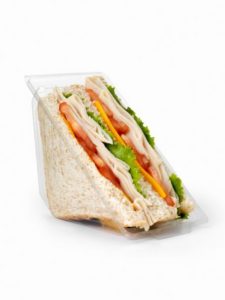
They told us resealability has become one of the most requested packaging features for sandwich programs because it fits naturally with how consumers eat today. Larger sandwiches are often enjoyed over multiple eating occasions. A container that securely closes allows buyers to save the rest without sacrificing freshness.
That observation also aligns with published consumer research. A study in the journal Appetite found that resealable packaging supports multiple eating occasions by helping preserve freshness between uses, making it particularly valuable for foods that aren’t always eaten in one sitting.
As shoppers look for ways to reduce waste, a package that snaps securely closed reinforces the idea that they made a smart purchase.
Which Sandwich Formats Are Actually Selling?
It’s not a wrap on wraps (again, try and stop the wordplay train here). Consumers continue reaching for handheld foods because they’re portable, convenient, and easy to enjoy on the go.
Circana estimates that prepared sandwich sales within grocery deli departments totaled approximately $3.8 billion for the year ending October 6, 2024. While this figure reflects a specific retail channel rather than the entire sandwich market, it highlights the continued strength of grab-and-go sandwiches in grocery. FMI further reports that the share of consumers using grocery deli-prepared foods as a substitute for restaurant meals has grown from 12% in 2017 to 28% in 2025.
Meanwhile, protein has quietly become the new obsession. From breads fortified with additional protein to sandwiches built around high-protein ingredients, shoppers continue prioritizing protein throughout the day. This trend has been echoed across numerous industry reports, including IDDBA’s What’s in Store research and IFT’s analysis of consumer eating habits.
At the same time, there’s a pull toward heartier, more artisan-style breads: Think ciabatta, grilled Italian loaves, and baguettes (is your mouth watering yet?). Premium breads and globally inspired sandwich formats continue gaining traction as consumers look for sandwiches that feel fresher, more premium, and less mass-produced.
Why Does Clear Packaging Matter So Much for Sandwiches?
 People eat with their eyes before their mouths, and sandwich packaging is no exception.
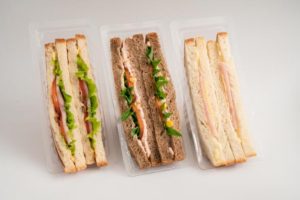
Clarity matters because buyers want to see exactly what they’re paying for before they commit. As grocery-prepared foods continue to compete with restaurant meals, presentation has become an increasingly important part of the shopping experience.
Consumers increasingly view grocery-prepared foods as true meal replacements, raising expectations around food quality and presentation.
This is especially true for open-face or wedge-style sandwiches, where the filling is visible from the side. Shoppers have grown accustomed to inspecting prepared foods before purchasing them, and packaging that showcases fresh ingredients helps reinforce freshness, quality, and value.
Should Sandwich Packaging Be Sturdy, or Just Look Sturdy?
Both, honestly. For the (grocery) case of sandwiches, looks do matter, but so does performance.
Sturdiness plays multiple roles: It keeps ingredients from sliding into each other and turning bread into mush. It also helps prevent the whole thing from becoming a lap-based disaster during a commute back to the office. Nobody wants to explain a mustard stain to their coworkers.
A package that holds its shape also reinforces perceptions of quality before a consumer even opens it. As prepared foods increasingly compete with restaurant meals, packaging becomes part of the product experience. A well-designed container communicates care, protects presentation, and helps shoppers feel confident in their purchase.
What Does This Mean for Your Sandwich Program?
 If there’s one theme running through all of this, it’s that consumers are looking for sandwiches that respect both their appetite and their budget, and packaging that backs up that promise.
Portion flexibility, resealability, clarity, and sturdiness aren’t separate boxes to check. Together, they influence whether a buyer feels like they made a smart purchase or settled for something else.
That’s a lot to juggle while you’re also managing ingredients, shelf life, merchandising, and everything else on your plate. This is exactly the kind of challenge we’ve spent decades helping food businesses solve, one container at a time.
That’s a Wrap
If you’re rethinking your sandwich packaging strategy, we’re happy to talk through what’s working for programs like yours. After more than half a century in fresh food packaging, we’ve seen a trend or two come and go, and we know how to help you build a lineup that keeps buyers reaching for more…so you can become the hero of heroes.
Interested in learning more about fresh food packaging trends? Visit the Inline Plastics Learning Center today and start exploring!