
At a Glance
- “Good enough” packaging can quietly reduce shelf appeal, freshness, and consumer trust.
- Focusing only on the lowest price often leads to hidden costs like shrink, waste, and lost sales.
- High-quality packaging makes food look fresher and reinforces a premium brand image.
- The smartest businesses treat packaging as an investment, not just a cost.
Here’s a fun play on words that every food business faces at some point: A fork in the road. Let’s say Procurement wants a lower price, Merchandising wants a better shelf presence, and Operations needs packaging that performs reliably from production and handling through in-store execution.
Somewhere in the middle, a decision gets made about packaging that nobody fully loves...the cheaper option. It feels harmless and within budget, so it technically works. Right?
But packaging that’s merely “fine” has a funny way of costing more than it saves…in freshness, shelf appeal, and how consumers quietly judge your brand without ever saying a word. Yikes!
We’ve spent over 55 years helping fresh food businesses solve exactly this problem, providing packaging solutions that keep food looking (and staying) as good as it tastes. In that time, we’ve learned that packaging decisions rarely fail loudly. They fail quietly, one skipped purchase at a time.
But let’s bring the silent whisper of packaging failures and costs involved into a much-needed roar!
This article breaks down why “good enough” packaging can quietly erode your brand, how consumers judge freshness before they ever taste your product, and what separates a smart packaging investment from a line item you’ll regret. Let’s dig in.
Why Do Packaging Decisions Go Wrong in the First Place?

A brief, but high-level breakdown:
- Merchandising teams focus on how a product looks and sells.
- Operations teams focus on whether packaging performs reliably throughout production, handling, merchandising, and everyday use.
- Procurement teams are measured on cost savings.
That’s not a villain-and-hero story. It’s just what happens when three departments optimize for different scorecards. The fix isn’t finger-pointing…it’s bringing the conversation back to the one stakeholder all teams already agree matters: The consumer. Nobody in any team wants to argue with what shoppers actually prefer, because in a way, they’re kind of the bosses, right?
Can Consumers Really Tell the Difference in Packaging Quality?
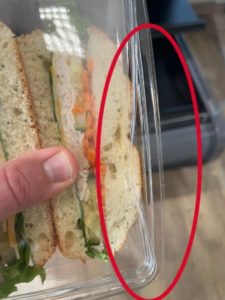 A kind of uncomfortable truth is that many shoppers can’t articulate what’s wrong with cheap packaging, but they feel it anyway. They won’t say “this container has poor clarity” or “this material reads as cost-cutting.” They’ll sense that something feels a little less fresh, a little less premium, a little more like it came from a factory instead of a kitchen, and they’ll reach for a different product next time.
Packaging Digest reports that clarity matters more than people expect. A container that lets the food shine, rather than competing with it, makes the product itself the star. A cloudy or flimsy container does the opposite; it becomes the thing buyers notice, right before they decide they’re not that hungry for it anymore.
Does Cheaper Packaging Actually Save Money Long-Term?
Sometimes…but often not. Freshness is usually the first casualty of a packaging downgrade, and freshness has a direct line to your bottom line. Shave a day or two off of shelf life, and you’re suddenly dealing with more shrink, waste, and markdowns — the very costs the cheaper packaging was supposed to prevent.
And that’s where Operations enters the conversation again. Packaging has to do more than look good and hit a target price. It needs to perform consistently throughout production, handling, storage, merchandising, and ultimately, use by the consumer. If a lower-cost package doesn’t meet those operational specifications, the savings on the purchase order can quickly show up somewhere else as damaged product, additional labor, shrink, or waste.
How Does Packaging Affect Whether Food Looks Fresh?
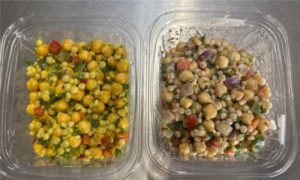 This is where things get genuinely interesting: Identical food can look completely different in quality depending on the container it’s sitting in. A product in a package typically used by mass processors will read as “made somewhere else, days ago,” even if it was made in-store that morning. The packaging tells a story before the customer takes a single bite, and right now, plenty of great products are stuck telling the wrong one.
What Separates a Strategic Packaging Choice from a Commodity Purchase?
The businesses that get this right treat packaging like an investment, not a guess. They test it. They examine the data instead of opinions in a meeting room.
The businesses that get this wrong treat packaging as a line on a spreadsheet: Lowest bid wins + decision made = move on.
It’s faster. It’s also how you end up quietly losing shoppers you never even knew you had.
So, When Is “Good Enough” Actually Good Enough?
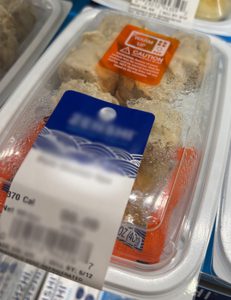 It depends entirely on the brand you’re trying to be. If you’re competing purely on price, “cheap and cheerful” packaging might match customer expectations perfectly fine. But if you’re chasing a mid-tier or premium slice of the market, “good enough” quietly becomes “not enough” because those shoppers are already comparing you to brands that never cut that corner.
The real answer isn’t about hitting some universal packaging standard. It’s about being honest about who you’re selling to, and giving that consumer packaging that matches the promise you’re making them.
Where Should Food Businesses Go From Here?
Good packaging doesn’t ask for a round of applause like a sea lion doing tricks with a beach ball. It just quietly does its job, protecting freshness, building trust, and making sure your food gets the spotlight instead of fighting for it.
Bad packaging asks a lot more of you than you’d think, usually in the form of shrink, returns, and buyers who drift away without explaining why.
So, before making a packaging decision, put your options to the test. Side-by-side comparisons can reveal performance differences that aren’t obvious from a spec sheet or price quote alone. Shelf-life testing should also be part of the decision-making process, helping you understand how each option protects freshness and performs under the real-world conditions your food will face.
If you’re not sure which side of that line your packaging currently sits on, that’s a conversation worth having with your supplier before your consumers start having it…and not in a good way. After all, you should give your buyers something to cheer for, just like that sea lion hitting a beach ball into a crowd.
Do you want to know how the right packaging can improve your fresh food business? Visit the Inline Plastics Learning Center today and explore a wide range of topics.