Listen to the audio recording of this blog post or check out the featured Podcast about this topic.
At a Glance
- Cheap packaging often creates expensive problems later through leaks, refunds, food waste, and lost customer trust.
- Quality tamper-evident and leak-resistant packaging helps protect food safety, presentation, and the overall customer experience.
- Clear, durable packaging can improve shelf life, reduce shrink, and make products more appealing at purchase.
- Packaging is no longer just a container — it directly impacts brand perception, repeat purchases, and long-term profitability.
In many cases, businesses spend far more fixing packaging-related problems than they ever saved by choosing the lower-cost option in the first place. That’s the bottom line.
A leaking salad container may not seem like a major business problem…until the consumer asks for a refund. Suddenly it’s on par with “the dry storage area is on fire.” Okay, maybe not that urgent, but it should catch your attention.
That’s the frustrating thing about cheap packaging; the real cost rarely shows up on the original invoice. It appears later through wasted food, damaged presentation, consumer complaints, shortened shelf life, and lost trust.
In many ways, packaging has become part of the food experience itself.
That matters because consumers often judge food quality before they ever take a bite. Presentation, visibility, and perceived safety all influence whether a product feels worth purchasing again. Packaging now plays a major role in shaping those perceptions, especially in grab-and-go retail, prepared foods, meal delivery, catering, and foodservice operations.
Inline Plastics has been providing high-quality packaging solutions for fresh food businesses for over 55 years. We’ve seen the great things that proper containers can achieve and the pitfalls of choosing a low-quality option to save a few cents.
This article will explore the hidden costs of low-quality packaging, why tamper-evident and leak-resistant designs matter more than ever, and how packaging directly impacts food safety, shelf life, customer trust, and long-term profitability.
Cheap Packaging Often Creates Expensive Problems
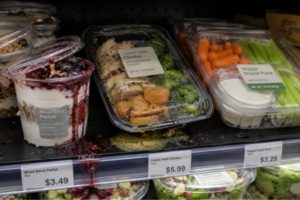
Saving money on containers seems like a smart choice. Food businesses face high labor costs, rising ingredient prices, and pressure everywhere.
But packaging problems tend to multiply quickly once products leave the kitchen. A weak seal may not seem catastrophic during prep. However, during delivery or transport, that same container can leak, crack, flex, or partially open. Once that happens, the issue is no longer just about packaging. It becomes a consumer experience problem. And that buyer will have a problem with your brand, too.
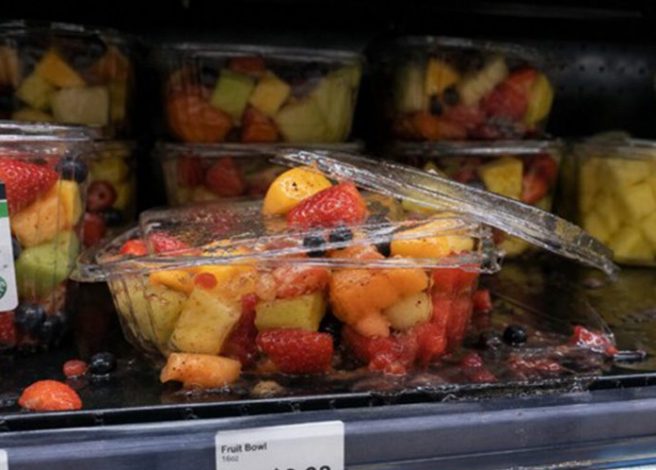
Shoppers rarely separate packaging failures from food quality. If soup leaks into a delivery bag, many people assume the restaurant or retailer cut corners elsewhere as well. If a tamper seal looks compromised, they may question whether the food was handled safely. Even something as simple as excessive condensation can make products appear less fresh than they actually are.
And unlike many operational problems, packaging failures are visible immediately. Consumers see them before they taste the food. Packaging is your silent salesperson. You need to make sure, however, that it’s not coming off as a used-car salesman.
That visibility creates consequences that go beyond replacement costs. One damaged order can lead to refunds, remakes, wasted labor, negative reviews, and lost repeat business. In a market where convenience and consistency matter heavily, those small failures add up quickly.
Have you ever purchased a delicious-looking grab-and-go meal, only to discover upon returning home that it leaked and spilled all over the rest of your groceries as if a sasquatch tried to get inside? Would you purchase anything in that package again? Let’s dive deeper.
Food Safety Has Become Part of the Consumer Experience
Shoppers today expect reassurance. They want confidence that their food remained protected from preparation through pickup, delivery, or retail display. This is especially true as grab-and-go programs, third-party delivery services, and prepared foods continue to grow across grocery and foodservice environments.
Tamper-evident packaging helps provide that reassurance immediately. It gives consumers visual confirmation that their food has not been opened or altered after packaging. That may seem like a small detail operationally, but psychologically, it carries enormous weight. If packaging appears loose, broken, or poorly sealed, trust disappears quickly.
That trust matters more than ever because food businesses now compete on more than flavor alone. Consumers increasingly evaluate convenience, portability, cleanliness, freshness, and overall confidence in the product. Packaging sits at the center of all of those expectations.
The packaging quietly communicates something important to everyone involved: This food was protected.
Leak Resistance Protects More Than the Food
 A rabid koala jumping into your salad will probably give you a subpar dining experience. But the chance of a food experience being ruined by leakage is much higher — especially with cheap packaging.
Nobody enjoys opening a delivery bag to discover that sauce has coated the napkins, utensils, and half the order. It instantly changes how consumers perceive the meal, even if the food itself still tastes fine.
Leak-resistant packaging prevents those moments from happening in the first place. Can you guess what kind of packaging usually lacks this resistance? (Spoiler: low-quality).
For food businesses, this matters because modern meals travel constantly. Consumers carry products to work, transport them home, refrigerate leftovers, and rely heavily on delivery services. Packaging must survive movement, stacking, temperature shifts, and handling throughout that journey.
When containers fail, the costs spread quickly. Businesses may face:
- Product loss and food waste
- Increased consumer complaints
- Refunds and remakes
- Damaged delivery experiences
- Negative online reviews
- Loss of valuable shelf space
- Messy and dangerous areas from spills
- Damaged brand reputation
- Safety risks to shoppers
- Compliance risks
- Increased staff labor
- Dissatisfied employees
Strong seals and durable closures reduce these risks significantly while also improving operational consistency. Kitchen teams can move faster when they trust the packaging to perform reliably. Delivery drivers handle orders with greater confidence. Retailers experience fewer damaged products on shelves and in coolers.
Ironically, the best packaging often goes unnoticed by consumers because everything works exactly the way it should. That is actually the goal.
Shelf Life Quietly Impacts Profitability
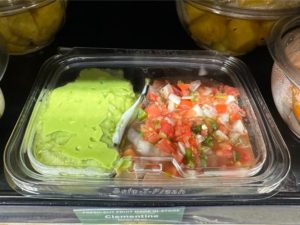 Shelf life is not just about freshness. It is about operational efficiency and profitability.
When packaging doesn’t protect its contents well, the food can quickly lose texture, appearance, and quality. Too much moisture, weak seals, or poor structure can make food look unappealing and unsellable more quickly.
This creates challenges for prepared food programs, grocery stores, caterers, and grab-and-go businesses. They depend on products staying fresh during display and transport.
Even small reductions in shelf life can lead to:
- More discarded inventory
- Higher shrink rates
- Increased replenishment labor
- Reduced merchandising flexibility
Clarity also plays an important role here. Consumers buy with their eyes first. Crystal-clear packaging allows customers to instantly evaluate freshness, color, texture, and portion quality. A vibrant salad, layered dessert, or fresh fruit parfait becomes far more appealing when buyers can clearly see the product inside.
Foggy or flimsy packaging works against that experience. Think about a hot food product, like mac and cheese that was placed into a clear PET package while still warm. Not only is the package in danger of warping from the wrong material option, but the steam from the food has made it impossible to see inside.
Food may still taste perfectly fine, but visually, the product loses value before the consumer even picks it up because it doesn’t look like something they want to eat (maybe that rabid koala from earlier would consume it).
Nobody gets excited about a sandwich that looks like it spent the afternoon trapped inside a car wash.
Packaging Influences Brand Perception More Than Many Businesses Realize
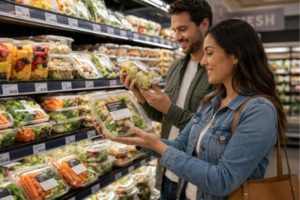 Packaging may not be the product itself, but consumers absolutely associate it with product quality.
A sturdy, secure container suggests professionalism, consistency, and care. A weak or poorly functioning container suggests the opposite. Those impressions form quickly and often subconsciously.
This becomes especially important for businesses trying to build repeat purchases and long-term buyer loyalty. Consumers remember experiences that feel reliable. They remember meals that traveled well, looked fresh, and felt protected.
Unfortunately, they also remember the opposite. Today’s consumers frequently share food experiences online through reviews, photos, and social media. Packaging failures can become highly visible, particularly in delivery-focused environments where customers interact with the container before anything else.
For many brands, packaging now serves as both a protective tool and a marketing tool at the same time…which is exciting if you’re choosing high-quality containers. It helps products stand out on shelves. It reinforces food safety expectations. It communicates freshness and quality visually before a consumer takes a single bite.
That makes packaging decisions far more strategic than simply choosing the lowest-cost option available.
The Lowest Price Is Not Always the Lowest Cost
A penny saved isn’t a penny earned if it’s costing you in the long run. Food businesses already operate on tight margins. Looking for savings is understandable, but is packaging really where you want to cut corners?
Packaging decisions should be evaluated based on total business impact, not just unit cost alone.
A container that prevents leaks, maintains freshness, reinforces food safety, improves presentation, and maintains consumer trust may save far more money in the long term than a cheaper alternative that creates operational headaches later.
When packaging works properly, everything else tends to work better too: Orders arrive intact. Products look fresher for longer. Consumers feel more confident purchasing prepared foods. Employees spend less time dealing with damaged items and complaints. Businesses protect both their products and their reputation simultaneously. Wins across the smorgasbord!
That is why packaging is no longer just packaging. It has become part of the consumer experience, part of the brand, and part of the promise businesses make every time food leaves the kitchen or reaches the shelf. And in an industry where trust matters tremendously, protecting that experience may be worth far more than a few pennies saved upfront.
Are you ready to discover how high-quality packaging can up your business game? Explore our digital catalog today and see the difference for yourself!