Listen to the audio recording of this blog post or check out the featured Podcast about this topic.
At a Glance
- Packaging differentiation comes from performance — leak resistance, durability, clarity, safety, and shelf-life protection — not just eye-catching design.
- Brands often make costly mistakes chasing creative shapes or cheaper options that leak, pop open, or create labor and customer service issues.
- The winning formula blends functionality with creativity: Test small, ensure the package works, then scale unique shapes or product pairings that add value.
- Sustainability is shifting from “nice-to-have” to “dealbreaker,” and the future favors packaging that solves real problems while maintaining clarity, performance, and environmental responsibility.
A gorgeous package of fresh fruit catches your customer’s eye on the shelf. The design is stunning. The shape is unique. They grab it, take it home, and halfway through their drive, their bag is soaking wet and drenching all other items. The container leaked. Again.
That’s the problem with packaging that’s all show and no go.
In the food business, you’re competing for attention in crowded coolers and packed shelves. But here’s what industry veterans know: The prettiest package on the shelf means nothing if it creates slip-and-fall hazards in the aisles or angry consumers at the return counter.
At Inline Plastics, we have been providing packaging solutions for fresh food for over 55 years. We have seen packaging trends come and go — and we know what ultimately makes a package stand out from the rest.
This article breaks down what actually makes packaging a competitive advantage (spoiler: it’s not just good looks), the costly mistakes brands make, and where the industry is heading next. Because the future of packaging differentiation is about solving real problems, not just winning design awards.
What Makes Packaging Actually Stand Out?
 Here’s the truth: Packaging that wins isn’t just doing one thing well. It’s checking five critical boxes simultaneously.
First, it has to maintain shelf life. Your product needs to stay fresh from the processing plant to the customer’s fridge. That’s non-negotiable.
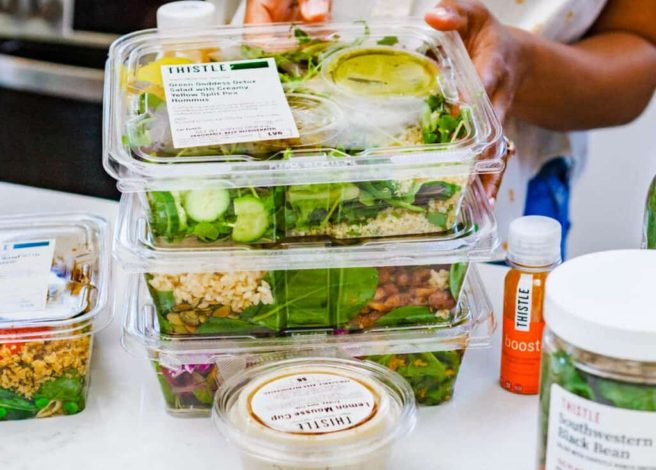
Second, it needs eye-catching merchandising appeal. Yes, looks do matter. People absolutely buy with their eyes. A beautiful salad in crystal-clear packaging will always outsell the same salad in cloudy, dull containers (those poor guys — they’ll never find a home!).
But it’s not just about what shoppers see — it’s also about what they feel. Flimsy packaging sends a subtle but powerful signal of lower quality, while a sturdy container reinforces freshness, care, and value the moment it’s picked up.
Third, it needs to perform. Saving a few pennies on packaging is no excuse for containers leaking all over the shelves. It can damage brand reputation and trust that took years to build.
Fourth, it needs to be practical for everyone handling it. Store employees don’t want packages leaking down their arms while stocking shelves. Your warehouse team needs containers that stack efficiently. Your customers want packaging that actually closes and stays closed.
Lastly, and most importantly, it has to protect the food and keep it safe. Safety is non-negotiable. Yes, it needs to be sturdy enough to hold the contents, but it also needs to communicate to the customer that the product is protected (hello, tamper evidence).
Miss any one of these five elements, and your packaging can become a liability instead of an asset.
Why Do Some Brands Get This Wrong?

The biggest mistake? Prioritizing form over function.
Companies fall in love with creative shapes and innovative designs. They see packaging as a branding opportunity — which it is. But they forget it’s also a delivery system. It has to actually work.
Let’s examine a hypothetical grocery chain that adopted aesthetically pleasing containers with one fatal flaw: They popped open easily. Staff might have to use rubber bands or tape on every single container at the front end just to keep them closed. Imagine the labor costs. Consider the effects of air exposure on product freshness. Worse yet, think of the poor customer experience.
Compare that to leak-resistant containers that lock tight. Same product inside. Completely different experience for everyone involved. Packages stay sealed. Products remain fresh and intact. The staff does not have to clean up messes. Consumers continue to purchase from the store. It’s a win-win-win!
Retailers have learned this lesson the expensive way. They thought they were making smart decisions on price or creative appearance. Then reality hit when consumers pushed back because the packaging wasn’t getting their food home safely.
The takeaway? Your packaging can look like art, but if it performs like garbage, you’ve just created an expensive problem.
How Do You Balance Creativity with Practicality?
 Here’s where it gets interesting. You don’t have to choose between appealing and functional. You need both.
Start with the fundamentals. Your packaging must be stackable. It must resist leaks, have crystal-clear visibility to showcase your product, and should make the buyer feel that the food is safe.
Then layer in the creativity. One grocery chain may use heart-shaped containers to drive Valentine’s Day sales. Simple concept, executed well. The containers function perfectly while creating an emotional connection with shoppers.
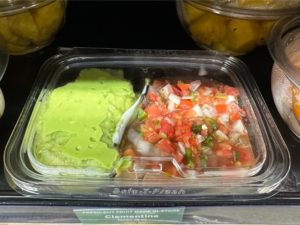
Another win came from pairing products intelligently. Putting half-containers of pico de gallo and guacamole together in one package? Instant hit. The packaging worked flawlessly, and the combination made sense to consumers.
The smartest retailers test before they roll out. They don’t launch creative packaging chain-wide immediately. They try it in one division. If results are good, they expand to three divisions. Only after proving the concept works do they go all-in. This cautious yet determined approach saves money and preserves their reputation.
Doesn’t Sustainability Play a Role in Differentiation?
Here’s where the industry gets complicated.
Many consumers don’t flip packages over to check PCR (post-consumer recycled) content percentages before buying. But some do. And where they shop matters enormously.
At value-focused stores, the number of people checking sustainability metrics is typically lower. But walk into premium grocers, and you’ll see shoppers actively comparing packaging materials. They’re reading labels, asking questions, and wearing their Captain Planet t-shirts. They care about whether their containers end up in lakes and rivers.
But here is the challenge: There can be issues when weighing sustainability against visibility. For example, higher PCR content can cloud packaging. That crystal-clear presentation that drives sales? It gets compromised. Some companies are willing to sacrifice clarity for sustainability claims. Others aren’t. It really depends on the brand.
But here’s what’s coming: Sustainability is moving from tiebreaker to dealbreaker. Companies that figure out how to increase PCR content while maintaining clarity and performance will have a massive competitive advantage.
The holy grail of sustainability? A plastic that creates no environmental issues. This means no pollution in oceans or rejection in recycling streams. No fossil fuels needed to make it. The first company that cracks this code — assuming enough buyers can afford it — will reshape the entire industry and become a superhero in the process.
What’s Next for Food Packaging?
 The future belongs to packaging that solves real problems, not packaging that looks pretty in marketing materials.
Before you chase the next creative packaging trend, ask the hard questions. What are you trying to accomplish? How do you want to stand apart from competitors? What will actually make a difference for your customers?
Then, match form to function. Use unique shapes when they serve a purpose — like holiday-themed containers that drive seasonal sales. Combine complementary products in ways that make sense. Showcase your food in clear packaging that protects what’s inside.
And test everything. If you’re a large retailer, test one division first. Then three. Then chain-wide only after you’ve proven it works in real-world conditions.
The packaging that wins tomorrow won’t just catch the eye. It’ll solve the problems that matter most to everyone in the supply chain — from warehouse workers to store staff to the customers taking food home to their families.
Because at the end of the day, a package that leaks isn’t creative. It’s just broken. And broken doesn’t differentiate anything except your customer satisfaction scores — in the wrong direction.
Are you interested in finding out more about the food packaging industry? Visit our Learning Center today and explore a wide range of topics.