
Listen to the audio recording of this blog post or check out the featured Podcast about this topic.
At a Glance:
- Foodservice challenges: Rising labor (+30%) and food costs (+36%) are crushing margins.
- Sector differences: Sit-down, grab-and-go, and delivery each face unique pressures.
- Efficiency focus: Streamlined menus, tech tools, and prepped ingredients cut costs.
- Smart packaging: Treat packaging as branding and invest where performance matters.
Since early 2020 (you know, when that little thing called COVID-19 came to our attention), restaurant labor costs have climbed about 30%, while wholesale food prices are up roughly 36%, squeezing foodservice margins across the industry, according to data by the National Restaurant Association. But here’s an interesting twist: How these pressures impact operations — and which solutions actually work — varies dramatically depending on what type of foodservice you’re running.
At Inline Plastics, we’ve offered fresh food packaging solutions for over 50 years. We’ve witnessed changes due to economic shifts, new regulations, and now, rising costs.
These rising costs are forcing tough choices. Some restaurants are closing sections, while others are hiking prices. Hospital cafés are leaning on grab-and-go. And what about delivery drivers? They’re parked outside every business — giving your packaging a 30-minute commute to make a first impression (no biggie!).
The industry is experiencing one of its hardest times. Sit-down restaurants face challenges that are quite different from those of hospital cafés or ghost kitchens. This article breaks down each sector’s biggest hurdles and innovative ways to stay profitable without losing quality or your sanity.
The Three Faces of Foodservice
Foodservice is not a single industry. It consists of three separate sectors, each with its own economic factors and challenges.
1. Traditional restaurants include independent eateries such as local diners (you know, the ones with great weekend omelettes?) and casual dining chains. Their primary focus is on dine-in experiences. Takeout and delivery are growing, but dining in remains the most popular option in these sectors.
2. Grab-and-go environments include (but are not limited to):
- Hospital cafeterias
- Convenience stores
- University food courts
- Airport terminals
- Hotel stations
- Entertainment venues
These focus on pre-packaged sandwiches, salads, snacks, and desserts. Customers can quickly buy and eat them on the go or anywhere else.
3. Delivery-focused operations include ghost kitchens and restaurants. Third-party services like DoorDash and Uber Eats help drive a lot of revenue. Packaging and food presentation during transport become critical to brand reputation. You may make the best food in town, but if it gets to its destination looking like something from a sci-fi film (unintentionally), all your hard work will be for nothing. More on this later.
Each sector has unique challenges, but two universal problems are squeezing everyone: Labor and food costs.
The Cost Conundrum Causing Chaos
 The numbers are brutal. The National Restaurant Association (NRA) states that “restaurant input costs are up 30% since before the pandemic.” Restaurant margins are thinner than ever, and owners can’t simply pass all increases onto customers. Raise prices too much and people stop coming — or they come in but order the burger instead of the steak.
Add high inflation, maxed-out credit cards, and expensive gas, and there’s less disposable income flowing into restaurants. People eat out less frequently and spend less per visit. According to data from Restaurant Dive, “Consumers [are] expected to spend 7% less on restaurants this summer.”
Why Is There a Shortage in Workers and a Rise in Labor Costs?
The labor shortage isn’t just about finding workers — it’s about affording them (a double whammy). With wages climbing, restaurants need fewer, more efficient staff. This pressure is driving creative adaptations:
The commissary solution: Restaurants are now buying pre-cut produce and portioned proteins. This saves time and eliminates the need for staff to spend hours on prep. Chain restaurants have done this for years, but now independent operators are following suit. The savings are twofold: Less labor time and less waste.
Streamlined or “downgraded” menus: “Downgraded” makes it sound slightly negative. Let’s stick with “streamlined.” Making the menu simpler means less prep time, and fewer special skills are needed. This helps kitchens work with smaller crews.
Technology integration: QR code menus and tableside payment tablets reduce the frequency of staff interaction. This lets employees focus on what matters most.
The Packaging Paradox in Traditional Restaurants
 For many traditional sit-down restaurants, packaging has rarely topped the priority list. When a manager orders from a distributor, the exchange often goes like this: “What do you have for a 9×9 container?” “White foam.” “Fine, I’ll take a case.”
It made sense then; dine-in guests already had the full experience. The take-home box was just a vessel. It wasn’t selling anything.
Now that same container is carrying your brand into someone’s home, often as their first and only impression of your food. If the quality of the food is compromised because of underperforming packaging, it can damage a reputation you’ve spent years building. According to a study by Simplr, 51% of U.S. customers will not return to a business if they have a poor experience with packaging.
But the rise of delivery services has flipped that equation for many restaurants. According to data from Restaurant Dive, more than 60% of Gen Z and Millennial customers say takeout is an essential part of their lifestyle. And according to the National Restaurant Association, 47% of all consumers now order takeout at least once per week.
For restaurants that rely on delivery for revenue, packaging is more than just a need. It has turned into a key opportunity for branding, making it worth the investment.
The Delivery Dilemma: When Your Package Becomes Your Brand
Since COVID-19 entered the picture (uninvited), third-party delivery services have become vital for restaurants. Operators had to adapt, whether they wanted to or not. The challenge? That container serves as your brand’s first impression. It shows up 20 minutes later, lacking the dining room atmosphere and artful presentation that usually enhances the experience.
Wet onion rings and chicken that can bounce on the floor aren’t just disappointing — they’re reputation killers. Often, the culprit isn’t the food itself, but the packaging that traps steam and moisture. When containers leak, it raises food-safety issues. This can harm relationships with delivery platforms. For restaurants with increasing delivery sales, packaging has changed. It’s no longer just a need; it’s now a wise investment.
Where Grab-and-Go Gets Interesting
 Unlike sit-down restaurants, packaging drives purchasing decisions in grab-and-go environments. Customers compare options in front of a cooler, making the visual presentation the primary selling tool. That package is your brand’s silent salesperson.
A salad in a crystal-clear, upscale container competes against a sandwich in basic packaging, with clarity, perceived quality, and freshness influencing split-second decisions.
Practical Strategies Moving Forward
Here are actionable approaches working right now:
Rethink packaging as an investment, not an expense: If better packaging extends shelf life, reduces waste, prevents leaks, or helps sell previously stagnant products, it’s protecting revenue. Calculate what food waste, delivery complaints, or unsold items actually cost.
Audit your prep operations: Can pre-cut veggies or portioned proteins save time and maintain quality? The upfront cost per unit might be higher, but labor savings often compensate.
Segment your packaging strategy: Dine-in takeout containers don’t need the same features as delivery packaging. Grab-and-go salads need a different presentation than hot items. Strategic differentiation lets you invest where it matters.
Build distributor relationships: Work with multiple food distributors as a backup plan. Apply this to packaging supplies, too. Reliable channels prevent last-minute scrambles and poor purchasing decisions.
Focus on food safety in delivery: Tamper-protected packaging isn’t optional if delivery is a big part of your business. Customers need visual confirmation that their food hasn’t been accessed during transport.
Delivering the Goods
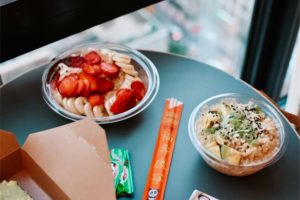 The foodservice industry is in transition. Old models are being stress-tested and operations that can’t adapt are struggling. But challenges create opportunities.
Thriving operators won’t simply cut costs across the board. They’ll strategically invest in efficiency, understand their sector’s specific needs, and make every dollar work harder.
Whether running a traditional restaurant, managing a hospital café, or operating a delivery-focused kitchen, the fundamentals remain the same: Control costs where possible, invest strategically where it matters, and continuously seek operational efficiencies that don’t compromise quality.
The landscape has changed, but it’s still full of opportunity for those willing to adapt.
Are you interested in learning more about the fresh food packaging industry? Visit our Learning Center today and explore a wide range of topics.

