Listen to the audio recording of this blog post or check out the featured Podcast about this topic.
At a Glance
- Conflict in Iran threatens oil flow (via the Strait of Hormuz), which directly impacts plastic production since packaging relies on oil-based materials like PET, PP, and PE
- Rising oil prices → higher resin costs → increased packaging prices, with early signs of supply tightening already emerging
- Biggest risk isn’t panic — it’s volatility and unpredictability in both pricing and availability, even for domestic suppliers
- Smart buyers should stay proactive: Diversify suppliers, balance inventory, monitor oil/resin trends, and strengthen supplier relationships
It goes without saying that there is considerable uncertainty in the world at this time. This feeling can obviously lead to anxiety, worry, and confusion. The current conflict occurring in Iran and the surrounding nations has only bolstered these concerns.
The effects of what’s happening in the Middle East can be felt everywhere, particularly in economic strains. If you have filled your gas tank in the last month, you undoubtedly have seen it.
While this has touched many industries, food business professionals may be concerned about their packaging supply, especially if they’re using plastic (Spoiler: Oil goes into making it). This is a fair concern. You have a business to run. Should you worry about your supply chain? Should you be stocking up on packaging right now? What about alternative materials?
Inline Plastics has been in the business of plastic food packaging for over 55 years. While we cannot accurately predict the future, we have witnessed strain in these regions in the past and have seen how it has affected the market.
Today, we want to share what we know with you about what is happening right now, how it affects packaging, and what you should be thinking about moving forward.
What’s Happening Right Now

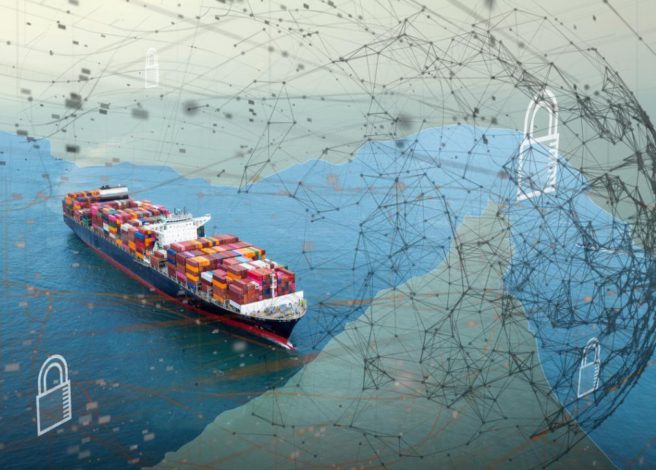
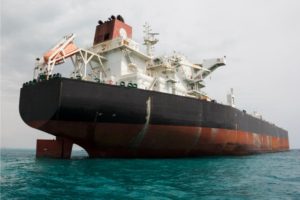
Let’s take a moment to view the current situation from a high level. Per Politico, Iran claims to have “de facto control” (meaning practical control due to proximity and proclaimed ownership) of the Strait of Hormuz. This is significant because this maritime pathway is the only route for large tankers to transport oil from key regions in the Middle East.
When oil cannot be transported from these destinations to their respective processing facilities, global disruptions will occur. While not all of the oil the globe depends on is extracted from this region, roughly 20% of global oil supply passes through the Strait of Hormuz.
What The Conflict in Iran Could Impact
As previously mentioned, there is no doubt that you have seen the effects at the gas pump. Unfortunately, that is only the beginning.
Plastic packaging is directly tied to oil and natural gas. Materials like PET (polyethylene terephthalate), PP (polypropylene), and PE (polyethylene) are made from petrochemical feedstocks derived from these energy sources.
That means when oil prices rise, the cost to produce plastic rises as well.
As outlined in current resin market trends, pricing pressure is already building. PET, for example, is being pushed higher by increased oil costs and global market activity. PP and PE are following similar patterns because they rely on the same upstream inputs.
This creates a chain reaction:
- Oil disruption increases feedstock costs
- Feedstock costs increase resin prices
- Resin prices increase packaging costs
But it doesn’t stop at pricing. Supply can also tighten.
According to Reuters, energy disruptions can lead to reduced production and global supply imbalances. In the resin market, this is already showing up as early signs of constrained supply and uneven availability.
So the impact is twofold:
- Higher costs
- Increased uncertainty around availability
Why Pricing Doesn’t Adjust Immediately
Even if disruptions were to ease tomorrow, pricing pressure wouldn’t disappear overnight.
That’s because there’s a lag between oil market changes and what shows up in resin and packaging costs. Raw materials are purchased, processed, and moved through the supply chain over time — often weeks or months in advance.
So even if oil prices stabilize or begin to fall, the effects of recent increases can continue working their way through the system for a full quarter or longer.
For buyers, this means pricing may continue to rise or remain elevated even after headlines suggest conditions are improving.
What Does This Mean for Your Food Business?
 For food businesses, this is less about panic and more about awareness.
First, expect continued volatility. Pricing may not move in a straight line, but the overall pressure is upward, driven by rising production costs rather than surging demand.
Second, understand that plastic packaging is not insulated from global events. Even if your supplier is domestic, their raw materials are tied to global energy markets (Read: We all need oil to create plastic).
Third, availability could become a bigger concern than price. While North America remains relatively stable for now, global disruptions can still ripple through the supply chain over time.
This doesn’t mean you won’t be able to get packaging. It means conditions may become less predictable.
Take a deep breath. Let’s take a look at what you should watch and be doing now.
What to Watch Going Forward
There are a few key signals that will tell you where things are headed:
- Oil market movement: If oil continues to rise or remains volatile, resin costs will follow.
- Strait of Hormuz stability: Any escalation affecting this route will have immediate global implications. Sites that monitor activity can provide perspective such as The World Trade Organization.
- Resin pricing announcements: Increases in PET, PP, and PE pricing are early indicators of broader cost shifts.
- Global supply disruptions: Reports of reduced production or feedstock shortages signal tightening conditions.
According to NBC News, markets tend to react quickly to geopolitical uncertainty, even before physical disruptions occur. That means changes can happen faster than many businesses expect.
What Buyers Should Be Doing Right Now
Okay, it’s time to gather your thoughts and get a plan in order. That’s why we’re here.
First, remember that in this type of environment, waiting and reacting are the biggest risks.
Companies that navigate these conditions best tend to take a proactive approach:
- Build resilience into your supplier strategy (not just more suppliers) – If you rely on a single manufacturer, it’s worth evaluating how prepared your supply chain is to handle disruption. Adding suppliers can reduce risk, but it may also dilute buying power and priority. Many businesses instead balance a strong primary partner with backup options. The key is understanding your trade-offs, such as flexibility vs. leverage, and having a plan in place before conditions shift.
- Maintain reasonable inventory levels (without overextending) – Carrying too little inventory can leave you exposed if supply tightens or lead times suddenly increase. At the same time, overstocking can tie up cash and create storage challenges. The goal is to find a balance: Enough inventory to buffer against short-term disruptions, but not so much that it impacts your flexibility. Work with your suppliers to understand realistic lead times and adjust your inventory strategy accordingly.
- Lock in or tie pricing strategically – In volatile markets, your pricing structure matters. Fixed pricing locks in costs until a supplier raises them, giving stability and easier budgeting. Index-based pricing moves with the market, letting you benefit from drops. Neither removes uncertainty, but the right choice balances predictability with flexibility — consider your risk tolerance, budget, and market outlook.
- Stay informed on oil and global events – Oil markets and geopolitical developments are no longer distant headlines — they directly impact packaging costs and availability. Keeping a close eye on major developments, especially those tied to energy supply and global trade routes, can give you early signals of where pricing and supply may be headed. This allows you to make more proactive decisions rather than reacting after changes have already occurred.
- Strengthen relationships with packaging partners – In times of uncertainty, strong supplier relationships become even more valuable. Partners who understand your business are more likely to communicate early about potential disruptions, offer alternative solutions, or help you navigate challenges as they arise. Regular communication, transparency, and collaboration can make a significant difference when conditions become less predictable.
A common mistake is assuming this will be short-lived. Like everything in volatile markets, disruptions could signal a broader shift. It’s better to be prepared.
Making It Through
 There is no way to avoid the impact of global events like this completely. But there is a way to prepare for them.
The key is understanding how interconnected everything is. A geopolitical conflict affecting oil supply can quickly influence the cost and availability of something as specific as food packaging.
The good news is that businesses that stay informed, plan, and work closely with experienced suppliers tend to navigate these situations far more effectively.
At the end of the day, this is not about reacting to headlines. It’s about understanding the underlying forces — and making appropriate (and smarter) decisions because of them.
Discover more in part two of this article: Why Plastic Packaging Prices Are Rising Right Now (And What It Means for You)
Stay connected to all things packaging by following the Inline Plastics Learning Center.