
Listen to the audio recording of this blog post or check out the featured Podcast about this topic.
At a Glance
- A plastic pricing increase is happening because the material is tied to oil, and conflict involving Iran is disrupting a key global oil route (the Strait of Hormuz).
- That disruption increases raw material costs (such as PTA, MEG, and propylene) while also tightening supply, creating upward pressure on prices.
- Shipping costs are rising at the same time due to higher fuel, insurance, and rerouting costs, adding another layer of expense.
- Surcharges are added to normal pricing to quickly recover these sudden increases, making final costs higher and less predictable.
If plastic packaging prices have felt all over the place lately, you’re not imagining it. One month (or even one week) things seem stable, and the next, costs jump, or perhaps a new fee shows up on your invoice — more on this to come.
At Inline Plastics, we’ve been providing food packaging solutions for over 55 years and have decades of experience navigating market volatility. And right now, we’re seeing something we’ve seen before (just at a bigger scale).
The main driver? Conflict involving Iran and other nations in the Middle East, specifically over a narrow maritime passageway called the Strait of Hormuz. When that route is disrupted, or even at risk, global oil prices react almost immediately.
This article will walk you through a simple plan: First, understand how plastic is tied to oil. Then, see how Middle East disruptions are driving costs on a global scale. Finally, learn why surcharges are showing up, and what you can do about them.
Let’s Understand Why Plastic Depends on Oil
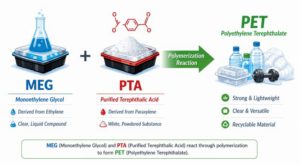
Most food-packaging plastics, such as PET (polyethylene terephthalate) and PP (polypropylene), are derived from oil.
Okay…now it’s time to put on our science hats.
According to industry sources like NAPCOR and Science Insights, PET is made from PTA (purified terephthalic acid) and MEG (monoethylene glycol – we’ll stick to abbreviations), while PP is made from propylene — both of which come from petroleum. That means plastic isn’t priced in isolation. It’s tied directly to energy markets. So, when oil becomes more expensive or unstable, plastic packaging costs usually follow.
Why Are Costs Increasing?
Here’s where things get real. The Strait of Hormuz lies off the coast of Iran and is one of the world’s most important shipping lanes. According to the International Energy Agency’s overview of the Strait of Hormuz, roughly 20-25% of global seaborne oil passes through this single chokepoint.
The recent conflict involving Iran has disrupted traffic through this region. According to Britannica’s breakdown of Hormuz oil flows, even partial disruptions can affect about a quarter of global oil trade.
Here’s the key idea:
When oil flow is threatened (even if it hasn’t stopped), markets react fast. Prices rise based on risk alone. And when oil prices rise, the cost of producing plastic rises right along with it.
Why We Need to Recognize the Ripple Effect on Materials and Supply
 Once oil prices move, everything downstream feels it.
The chemicals used to make plastic, such as PTA, MEG, and propylene, are becoming more expensive. According to ResourceWise’s polyester supply chain explanation, the entire plastic supply chain is interconnected, meaning pressure in one area spreads quickly.
At the same time, supply can tighten. Disruptions in energy and raw materials can slow production, leading to less plastic available in the market.
Now you have two things happening at once:
- Costs are going up
- Supply is getting tighter
That combination is what drives rapid price increases (and makes us all sweat under our collars).
It’s important to note that because of this ripple effect, it may take longer for prices to stabilize (even if the conflict were resolved today). You may be seeing price increases for up to a quarter or even longer!
Expect Higher Shipping and Logistics Costs
It’s not just about making plastic; it’s about moving it.
According to the UN Trade and Development maritime transport overview, global trade relies heavily on major shipping routes. When disruptions hit those routes, they drive up shipping costs across global supply chains — not just in the affected region.
Fuel costs rise. Insurance costs increase. Ships may need to reroute. Even if your packaging hasn’t changed, the cost to deliver it likely has.
Why Are Surcharges Being Added?
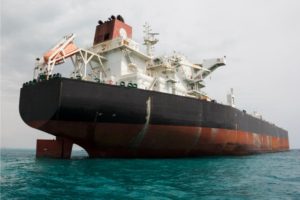
This is the part most buyers notice first. A surcharge is an extra fee added on top of your normal price. Surcharges are commonly used to account for rapid increases in costs, such as fuel. The same concept is now showing up across packaging supply chains.
Instead of constantly rewriting pricing formulas, suppliers use surcharges to recover unexpected costs tied to:
- Fuel spikes
- Freight increases
- Global disruptions like the Iran conflict
Think of it as a temporary adjustment layered on top of your base price.
The Plan: How to Respond to Rising Packaging Costs
You can’t control global oil markets or geopolitical conflict, but you can avoid getting caught off guard.
Here’s how to stay ahead of it:
-
Get clarity about what’s actually driving your price
Don’t just look at the final number. Ask your supplier what’s behind it. Is the increase coming from raw materials like PET or PP? Could it be coming from the costs of freight? Is fuel or a global disruption driving a temporary surcharge? Understanding the “why” helps you separate short-term spikes from long-term changes.
-
Identify where surcharges can show up
Surcharges don’t always come from a single source. They can be added by resin suppliers, packaging manufacturers, or even freight providers. Knowing where they can appear helps you avoid surprises when your invoice doesn’t match your base price.
-
Build flexibility into your planning
If your pricing assumes stability, you’re going to feel every spike. Instead, plan for some level of fluctuation, especially when global events are impacting oil and shipping. That might mean adjusting budgets, changing purchase timing, or working with partners to help you navigate changes.
-
Work with partners who explain, not just react
In volatile markets, transparency matters. The right partner won’t just pass along increases — they’ll help you understand what’s happening and what to expect next.
What This Means for Your Business
 The reason packaging prices feel unpredictable right now is that multiple global forces are driving them at once.
Conflict in the Middle East is affecting one of the world’s most important oil routes. That disruption is pushing up oil prices, tightening supply, increasing shipping costs, and triggering surcharges. It’s important to remember that events in the Strait of Hormuz don’t stay local — they ripple across global markets.
It’s no longer just about the cost of plastic, but about everything happening behind the scenes to make it — and get it to you. And once you understand that, the pricing starts to make a lot more sense.
Are you interested in discovering more about pricing for plastic packaging? Visit the Inline Plastics’ Pricing Estimator tool and get a ballpark range for your desired product.

