At a Glance
- Restaurants are being hit with multiple disruptions at once — GLP-1 eating habits, shifting generations, sustainability pressure, and new competition from grocery, convenience, and delivery.
- Beverage trends are booming, with operators focusing on customizable, visually appealing drinks that need packaging with clarity, portability, and leak resistance.
- Packaging is now part of the customer experience, helping food stand out in grab-and-go, delivery, and social media environments.
- Sustainability and AI conversations focused less on hype and more on practical solutions that improve operations, consistency, and efficiency.
“Would you like to try a free sample?”
This is a phrase I had the pleasure of hearing numerous times at the 2026 National Restaurant Association show in Chicago. Hearing this normally piques interest, turning the average person into a ravenously eager one who wants to try (literally) anything offered.
However, I wasn’t sent to this show to eat my body weight in free pierogies (tempting as it was). Though I do feel the need to offer advice to businesses keeping samples behind closed-glass partitions: Ditch the separation. This is the time to share your creations!
Many food business owners right now are just trying to make ends meet. This includes perfecting recipes for changing tastes, balancing budgets, ensuring staff are hired and trained, and a mountain of other responsibilities.
Mark here, Content Manager Extraordinaire at Inline Plastics. I’m back to share key takeaways from the show. These insights could benefit your food business, especially if you’re in the restaurant or foodservice space. I arrived in Chicago with an empty stomach and a brain ready to be jam-packed with helpful information to bring back to you.
 In this article, we’ll cover key topics from industry events. We’ll highlight what the industry learned over the past year. We’ll also discuss future trends and their impact on packaging decisions. Lastly, we’ll share tips for moving forward. Now let’s bite into what I learned.
Industry Disruptors Were Front and Center
A discussion from research conducted by Technomic centered on four major disruptions that are reshaping the restaurant industry:
- Regulatory and societal changes
- GLP-1-driven eating habits
- Generational shifts
- Growing competition from unexpected places
Regulatory and societal changes are pushing operators to rethink their choices. This includes packaging options and sustainability messaging. Many exhibitors connected recyclable materials, reusable systems, and alternative packaging directly to customer expectations, operational efficiency, and long-term business resilience rather than simply environmental branding.

GLP-1 medications were another major topic of discussion. Some presentations showed how these drugs are changing restaurant buying habits. Many consumers now prefer smaller portions, high-protein meals, and healthier menu choices. Desserts, fried foods, and alcoholic drinks might face more pressure as eating habits change.
Generational disruption is also changing how restaurants approach experience and convenience. Younger consumers, particularly Gen Z, continue to drive trends in customization, portability (hello, packaging!), social media-worthy presentation, and globally inspired flavors. At the same time, other generations like Millennials and Baby Boomers still prioritize consistency, hospitality, and value.
Finally, competitive disruption may be the broadest challenge of all. Restaurants are no longer only competing against other restaurants. Grocery stores, convenience stores, delivery apps, ghost kitchens, and beverage-focused concepts are all competing for the same consumer dollars.
These disruptions highlight a key fact: Restaurants today aren’t just following one trend at a time. They’re juggling many changes at once. Still, they aim to provide consistency, profitability, and great consumer experiences — that’s a lot!
The Beverage Boom Isn’t Coming…It’s Here
Traditionally, beverages were often treated as an afterthought, especially non-alcoholic options. For years, many restaurants relied on the same familiar lineup of soda fountains, iced tea, lemonade, and coffee. That approach is changing quickly, especially with younger generations who aren’t turning to alcoholic drinks, which is having a big impact on margins.
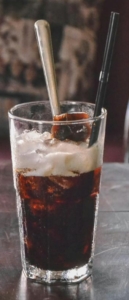 The National Restaurant Association show featured an entire beverage-focused experience area showcasing mocktails, mixers, cannabis-infused options, customizable refreshers, specialty teas, energy beverages, flavored sparkling waters, and even the increasingly popular “dirty soda” trend (think soda with dairy and syrups added – don’t knock it until you’ve tried it!). If it could be poured into a cup, someone at the show was trying to reinvent it.
For many operators, beverages are becoming one of the most important tools for driving margin growth and brand differentiation.
Consumers increasingly want beverages that feel personalized, visually appealing, premium, and social-media-worthy. Layered drinks, colorful ingredients, textured toppings, and unique presentation styles dominated booth after booth.
One speaker demonstrated how beverage presentation itself has become part of the consumer experience. Clear cups and visually appealing packaging allow shoppers to see flavor layers, fruit inclusions, creams, colors, and textures before they ever take a sip. After all, buyers can’t be impressed by what they can’t see.
This creates an important challenge for operators. It’s no longer enough for beverages to taste good. They also need to travel well, photograph excellently, and create visual excitement immediately.
This trend shows that clarity in packaging is more important than ever. It also focuses on portability, leak resistance, and appealing presentation.
Packaging Is No Longer Just Packaging
Restaurants today are competing in a much more visual world than they were even five years ago. Food is photographed, shared online, reviewed instantly, and judged before the first bite is ever taken. Packaging now plays a major role in shaping that perception.
Throughout the show floor, exhibitors emphasized premium presentation, portability, convenience, and consumer experience almost as much as they emphasized the food itself. Packaging is increasingly viewed as an extension of the brand rather than simply a transportation vessel.
For instance, one company showcased a foldable appetizer container with a sauce compartment designed specifically to fit inside vehicle cup holders. Talk about a memorable package!

These innovations create pressure on restaurants to balance appearance with functionality. Containers need to protect food integrity while also maintaining visual appeal. Operators are looking for packaging that helps products stand out in crowded grab-and-go cases, delivery marketplaces, and social feeds.
One of the clearest themes from the show was that convenience alone is no longer enough. Consumers still want convenience, but they also want experiences that feel premium, thoughtful, and visually engaging.
Sustainability Messaging Has Changed
Sustainability was everywhere at this year’s show, but the conversation surrounding it felt noticeably different. The focus shifted heavily toward operational practicality. Exhibitors repeatedly connected sustainability to business performance.
Paper cutlery manufacturers discussed durability and operational efficiency. Packaging suppliers highlighted reusable systems, recycled content, regulatory readiness, and consumer expectations. Foldable packaging concepts emphasized storage optimization and portability alongside environmental claims.
The underlying message remained consistent throughout the show floor: Sustainability initiatives now need to work operationally, not just philosophically.
Many businesses are trying to determine how to meet evolving regulations and consumer expectations without disrupting workflows, increasing labor burdens, or sacrificing the consumer experience. That balancing act has become one of the industry’s biggest challenges.
AI Is Entering Restaurants — But Operators Still Want Control
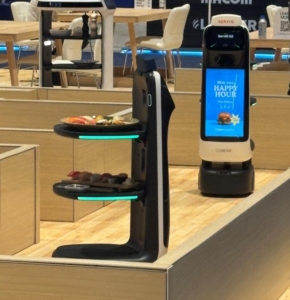 Artificial intelligence sparked discussion in many sessions. The focus was on practical applications rather than hype. Many restaurant operators don’t want to swap people for robots. They’re looking for ways to reduce chaos. Still, there was an interesting display with robot servers that looked like something out of “The Jetsons.”
Many presentations focused on the operational strain restaurants face today, including staffing shortages, fragmented systems, inconsistent execution, and overwhelming amounts of data. The most engaging AI discussions highlighted tools that enable operators to make faster, smarter decisions. These tools simplify reporting, reduce manual tasks, and enhance consistency. This includes ordering and POS systems.
One key takeaway was that restaurant owners still want control. The businesses most likely to succeed with AI will be the ones that simplify operations with technology, not complicate them.
The Spirit of Perseverance Is Still Strong in the Industry
A standout keynote moment featured tennis legend, Andre Agassi. He talked about perseverance, reinvention, and facing challenges with his business partner, Chef Michael Mina.
“We all live a hero’s journey,” Agassi explained. That message felt particularly relevant for restaurant operators today. “You can win on your own terms,” Agassi continued, “or lose on your own terms — so long as the outcome is on your own terms.”
Few industries have been forced to adapt as rapidly as restaurants and foodservice over the last several years. Operators face shifting consumer habits, unstable labor, and rising costs. They also deal with sustainability demands and pressure to stand out in crowded markets.
And yet, the spirit of resilience throughout the show remained remarkably strong.
Michelle Korsmo, President and CEO of the National Restaurant Association, spoke about restaurants historically serving as gathering places that shape communities and leadership. Despite uncertainty and disruption, the industry continues to evolve.
 That may have been the biggest takeaway from the entire show. The future of restaurants and other foodservice operations won’t belong to businesses that chase every trend. It will belong to those who know their customers, adapt wisely, and make smart choices. These decisions will boost both experience and operations.
The 2026 National Restaurant Association Show made one thing clear: Change is here. But for businesses willing to evolve intentionally, there is still enormous opportunity ahead…and many more free samples at shows to come.
Are you curious to learn more about how other industries are facing challenges? Visit our Learning Center today and explore a wide variety of topics.