
At a Glance
- Oregon EPR laws shift recycling and waste management costs from taxpayers to producers of packaging, paper, and foodservice ware.
- Producers must join the Circular Action Alliance (CAA) PRO, report materials, and pay fees based on weight, recyclability, and eco-modulation factors.
- Responsibility depends on product type: Brand owners for packaging, and first sellers for foodservice ware.
- Noncompliance carries steep penalties (up to $25,000/day), making accurate reporting and compliance planning critical.
This document is designed as an introduction to Oregon EPR laws and contains summary information. The information provided in this document does not constitute legal advice and is not a substitute for the advice of an attorney. All liability with respect to actions taken or not taken based on the contents of this document is expressly disclaimed.
Voodoo Doughnuts, Portlandia, and arguably The Simpsons are some of the best things to come out of the great state of Oregon. Recently, the state introduced a new set of laws regarding producer responsibility for plastic packaging. While not as entertaining as its previous contributions, it also deserves time and attention.
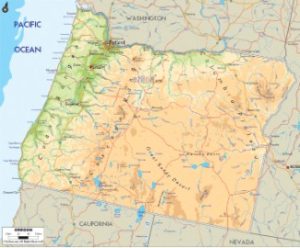 Oregon’s Extended Producer Responsibility (EPR) law, passed in 2019, aims to shift the financial burden of waste management and recycling from taxpayers to the producers responsible for packaging. While EPR isn’t entirely new (existing for products like batteries and electronics), its application to packaging represents a significant expansion of the concept.
The law requires producers of packaging, printing and writing paper, and foodservice ware to join a Producer Responsibility Organization (PRO) and pay fees based on the materials they introduce into the state. Oregon was among the first states to enact this type of legislation, with Colorado, Maine, California, and Minnesota following suit.
Lost in Confusion
At Inline Plastics, we know how important these laws are for sustainability and compliance, but we also know how confusing these can be for food industry professionals. After all, we work in food, not law. Today, we would like to give you a high-level overview of our knowledge of these laws (again, this is not legal advice).
Let’s take a look at these new laws in the Beaver State, and how they can affect manufacturers, distributors, suppliers, processors, and retail grocery stores.
Key Definitions
Understanding the specific definitions in Oregon’s EPR law is essential for determining your company’s obligations. The law carefully categorizes materials and establishes clear boundaries for who is responsible for what. These definitions directly affect financial liability and reporting requirements, making it crucial to correctly identify where your packaging materials fall within this framework.
Please note that this document is not meant to constitute legal advice, and Inline Plastics assumes no responsibility for the decisions made by producers in determining their obligations.
Covered Products
 Packaging: Materials used for the containment or protection of products
 - Printing and writing paper: Various paper products
- Foodservice ware: Paper, plastic plates, wraps, cups, bowls, pizza boxes, cutlery, straws, lids, bags, aluminum foil, or clamshells that are:
- Generally intended for single use
- Sold to a retailer, dine-in food establishment, or take-out food establishment
- Used to prepackage food for resale, filled on-site for food ordered by a customer, or resold as-is
Exemptions
Several items are exempt from the program, including:
- Certain beverage containers (those with existing deposit systems — such as paying for a bottle deposit and receiving a refund or store credit upon returning them to a grocery store or other location)
- Napkins and absorbent paper
- Pallets
- Pharmaceutical products like pill bottles
Who Is Responsible: Producer Definition
The “producer” responsible for paying EPR fees varies based on the distribution model and product type. The law defines producers differently for packaging versus foodservice ware:
For Packaging
- The brand owner or manufacturer of the packaged product is responsible (not the packaging manufacturer)
- Example: If a company puts fruit in packaging with their label, that company is responsible for the EPR fees, not the packaging manufacturer
For Foodservice Ware
- The entity that first sells the foodservice ware in or into the state is responsible
- If foodservice ware arrives empty at a retailer or restaurant, the manufacturer or first seller into Oregon is responsible
The Producer Responsibility Organization (PRO)
Producers must join a PRO, which implements the EPR program. The Circular Action Alliance (CAA) is the approved PRO for Oregon. Founded by major brands including Walmart, Amazon, Coca-Cola, and Mars, CAA’s responsibilities include:
- Collecting fees from producers
- Managing the recycling program
- Driving education and increasing recycling rates
- Reporting to the state
Fee Structure
Fees are calculated based on:
- Base fee: Program costs divided by total reported weight of materials
- Material-specific fees: Varying by material type and recyclability
- Eco-modulation factors: Adjustments based on environmental impact
“Specifically Identified Materials” (SIMs) include items that are particularly problematic for recycling systems.
Reporting and Compliance
Producers must report the weight of materials sent into Oregon during 2024 by March 31, 2025. Fees will be assessed based on this data. Failure to join the PRO can result in fines of up to $25,000 per day.
Looking Ahead
Companies should work with their attorneys to review the relevant statutes, rules, and regulations to determine their responsibilities in Oregon.
As implementation progresses, producers may need to consider surcharges or price adjustments to offset these new costs, potentially influencing packaging material choices in the long term.
Are you interested in learning more about the plastic food packaging industry? Visit our Learning Center today and explore a variety of topics.
This document is designed as an introduction to Oregon EPR laws and contains summary information. The information provided in this document does not constitute legal advice and is not a substitute for the advice of an attorney. All liability with respect to actions taken or not taken based on the contents of this document is expressly disclaimed.

