

Jun 11, 2025
The Reality of Post-Consumer Recycled Materials in Plastic Packaging
At a Glance Post-consumer recycled materials vary in quality, depending on source, sorting, and contamination — real-world PCR isn’t always consistent. PCR adds color/odor challenges, meaning branding, clarity, and food safety must be carefully managed. Regulatory compliance is non-negotiable, requiring PCR materials to meet FDA/food-contact standards before use. Transparent testing and supplier partnerships are essential […]
Read More +
Jun 09, 2025
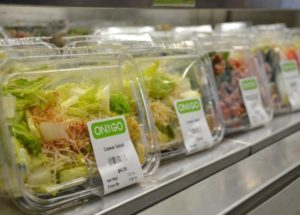
Trust at First Sight: The Strategic Value of Consumer Confidence Through Tamper-Protected Food Packaging
At a Glance Tamper-protected food packaging builds consumer trust, signaling safety and care from shelf to home. Clear tamper evidence deters theft and tampering, keeping products intact and brands protected. Implementation costs and design impact usability, so balance security with consumer friendliness. Success hinges on seamless integration — educate consumers, streamline production, and ensure reliable […]
Read More +

Jun 06, 2025
Plastic Bans 101: What You Need to Know as a Food Industry Professional
At a Glance Plastic bans target specific single-use items, not all packaging — common hits include bags, foam containers, straws, utensils, and small water bottles. Rules vary widely, with a mix of city and state regulations, plus some states blocking local bans. Business impact includes packaging changes, cost shifts, and tracking compliance across regions. Trends […]
Read More +
Jun 04, 2025
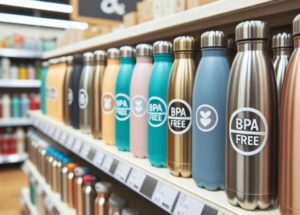
BPA Explained: Should You Be Concerned for Your Food Business?
At a Glance BPA-free packaging is a top priority, as consumers and regulators demand materials without bisphenol A due to health concerns. Alternative materials like PET, HDPE, and polypropylene avoid BPA but should still be vetted for migration and food contact safety. Supplier certifications and testing ensure compliance and prevent unexpected chemical exposures. Transparent labeling […]
Read More +

Jun 02, 2025
The Way Nitrogen Affects Food Freshness May Surprise You
At a Glance Nitrogen flushing extends freshness by replacing oxygen in packages — slowing browning in produce and oxidation in meats and cheeses. Fresh produce gets a head start: reducing oxygen to 5–8% right away helps maintain color and quality. High-barrier packaging and MAP work for proteins: aiming for near-zero oxygen to preserve flavor and […]
Read More +

May 30, 2025
How Controlling Fruit Purge Can Save Your Fresh-Cut Products Today
At a Glance Fruit purge control is essential — managing expelled juices prevents soggy packaging, microbial growth, and product damage. Drainage systems (pads, trays, mesh) wick away excess liquid, keeping fruit fresh and appealing. Modified atmosphere packaging (MAP) reduces respiration and purge by adjusting gas levels around the fruit. Temperature control and rapid sealing are […]
Read More +

May 28, 2025
The U.S. Plastics Pact: What Food Business Pros Need to Know
At a Glance Plastic pact initiatives push brands toward PCR and circular systems, driving targets like 30% post-consumer recycled content and eliminating problematic plastics. Participation reduces risk, helping companies avoid future bans and align with retailer and policy expectations. Reports and data from the Pact offer actionable market insights, guiding strategic packaging decisions. Adapting takes […]
Read More +

May 26, 2025
Understanding Carbon Footprints: A Must for Food Industry Professionals
At a Glance Understanding carbon footprints helps optimize packaging, tracking CO₂e from resin to disposal to identify reduction opportunities. Lightweight plastics lower emissions, often outperforming heavier alternatives in overall lifecycle impact. Food waste prevention is vital, as packaging that keeps food fresh significantly cuts embedded carbon. Data-driven decisions pay: using LCA tools and benchmarking leads […]
Read More +

May 23, 2025
Sealed to Perfection: The Hidden Science of Meat Packaging
At a Glance Meat packaging impacts freshness, safety, and visual appeal, using film sealing, vacuum, and modified atmosphere methods to protect quality. Different meats need different solutions — like high-OTR films for fresh fish and controlled gas blends for red meat. Lighting affects both appearance and shelf life, so retailers balance visibility with color preservation. […]
Read More +
May 21, 2025
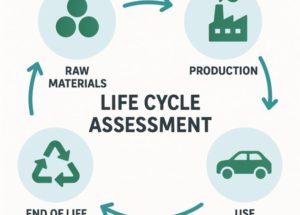
This is Why LCAs Are Reshaping Food Industry Decisions
At a Glance A life cycle assessment can help businesses reduce environmental impact, tracking effects from raw materials to end-of-life. It reveals trade-offs like material weight vs. emissions, enabling smarter packaging decisions. LCAs drive innovation in reuse, recycling, and material sourcing across the supply chain. Sharing LCA results builds trust, aligning brands with sustainability goals […]
Read More +