

Jan 30, 2026
rPET Food Packaging: What Food Businesses Need to Know Beyond the Sustainability Hype
At a Glance rPET in food packaging is in high demand, but supply can’t keep up — creating cost premiums, regulatory considerations, and sourcing challenges for food businesses. U.S. collection rates remain low for recyclable plastics, driving shortages and limiting how much recycled content brands can realistically use. Although rPET costs more than virgin PET, it can meet FDA food-grade safety standards when properly […]
Read More +

Jan 26, 2026
Will Reuse Programs Work in Grocery Stores? Here’s What Food Retailers Need to Know
At a Glance Reuse programs sound promising, but most struggle in grocery retail due to heavier containers, higher transportation costs, added labor, and increased food safety and liability risks. Reuse works best in closed, controlled environments (cafeterias, stadiums, campuses) or very specific product categories, not across full grocery assortments. Consumer participation and convenience remain major barriers — […]
Read More +

Jan 23, 2026
How to Build an Effective Food Safety Program
At a Glance Food safety failures often come from small sanitation gaps, not lack of effort, and one pathogen event can undo years of trust and investment. Using sanitation zones helps facilities prioritize risk, focusing the most rigorous cleaning where food contact actually occurs. Dry cleaning strategies reduce pathogen spread by limiting moisture, which can otherwise reactivate and […]
Read More +

Jan 23, 2026
Impact Testing: The Hidden Secret to Packaging That Actually Works
At a Glance Impact failures with packaging aren’t bad luck — they’re the result of containers that weren’t designed or tested to withstand stacking, drops, and cold storage. Impact testing reveals how containers behave at their weakest points, especially corners, across real-world temperatures where plastic becomes more brittle. When packaging fails, the true cost goes far beyond lost product, adding labor, safety risks, […]
Read More +

Jan 16, 2026
How Did the U.S. Plastics Pact’s Roadmap to 2025 Fare?
At a Glance The U.S. Plastics Pact set ambitious 2025 goals, but many depended on recycling infrastructure and end markets that simply weren’t ready, creating a gap between commitments and reality. Recycling rates and access to food-grade recycled content proved to be the biggest obstacles, not a lack of intent from participating companies. Some brands stepped back […]
Read More +
Jan 09, 2026
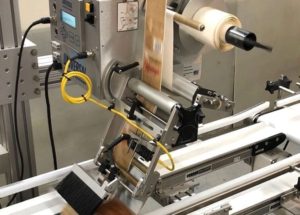
Are Your Employees Worried About Automation? Here’s What They’re Missing
At a Glance Automation hesitation stems from fears of job loss, mistakes, and tough learning curves. Reality check: automation reassigns roles, improves safety, and boosts efficiency. Trust matters: transparency and involvement ease fears and build support. Upskilling wins: employees gain new skills and career opportunities. Your employees shouldn’t be hesitant about automation, and neither should you. But it’s totally understandable why it could […]
Read More +

Jan 09, 2026
Black Plastic Food Packaging: Premium or Problematic?
At a Glance: Black plastic food packaging looks premium and hides things like excess sauces or grease, but it’s nearly invisible to recycling scanners. The carbon-black pigment absorbs light, sending recyclable PET trays straight to the waste stream. If black plastic happens to be sorted, there aren’t many end markets for it because it can only become other black plastic products — limiting the number of different applications. Detectable pigments and new scanners exist, but high costs slow adoption. Brands […]
Read More +

Dec 30, 2025
Why The STEWARD Act Matters for Food Businesses
At a Glance The STEWARD Act: A bipartisan bill aimed passed in the Senate is aimed at improving America’s collection and recycling systems by bettering infrastructure and creating standardized, reliable data. Creates a new EPA grant program (Recycling Infrastructure and Accessibility Program) that funds $500K–$15M projects to expand recycling access in underserved communities. Sets national […]
Read More +

Dec 23, 2025
Why We Need to Talk About Closed-Loop Recycling
At a Glance Closed-loop recycling keeps materials in use — a PET clamshell becomes another clamshell, not carpet fiber. The main issue isn’t tech, it’s collection — recyclers lack a clean, consistent material supply. Local systems and smart design (APR guidelines, no black or mixed materials) can keep recycling truly circular. Real progress needs access, economics, and behavior […]
Read More +

Dec 19, 2025
Processors vs. Grocery Stores: Key Differences in Food Assembly and Packaging
At a Glance Processors and grocery stores operate with different production workflows — processors follow standardized, line-based processes, while delis use on-site batch prep. These structural differences shape everything from staffing to daily output. Grocery-prepared items feel more “homemade,” vs. how processors deliver tighter quality control and less waste. Processors use advanced packaging for shelf life and […]
Read More +