

Jul 09, 2025
Smooth-Walled vs. Ribbed-Walled Packaging: Which is Better?
At a Glance Ribbed walls = strength with less plastic, offering structural support and sustainability through material reduction. Smooth walls = premium look and clarity, boosting product visibility and shelf appeal. Switching to smooth may increase cost or thickness unless design is optimized for balance. Best choice depends on product and positioning: ribbed for value/bulk […]
Read More +

Jun 25, 2025
Food Packaging Bids: Insider Strategies for Suppliers and Retailers
At a Glance Build trust through transparency in the bidding process: clearly share specs, costs, and margins to speed up decisions. Standardize bid formats: use a consistent template so suppliers and buyers compare apples to apples. Flexibility wins: offer multiple pricing tiers, volume discounts, and alternative materials. Post-bid follow‑through matters: provide samples, stay engaged, and […]
Read More +
Jun 18, 2025
The Truth About Plastic Food Packaging Sustainability
At a Glance Plastic food packaging sustainability hinges on life-cycle impact: efficient production offsets heavier alternatives like glass or metal. Plastic outperforms heavier materials in CO₂e when accounting for weight, transport, and food waste prevention. Microplastics aren’t a major source from packaging, unlike textiles or paints. Beyond recycling: strategies like eco-design, circular systems, producer responsibility, […]
Read More +

Jun 16, 2025
Molded Fiber Food Containers: Promise or Problem?
At a Glance Molded fiber food containers offer compostable benefits, but often need barrier coatings that may include PFAS or plastic. They lack clarity and durability, making them better for quick-turn items than long shelf-life products. Production is slower and more expensive than plastic due to complex forming and drying steps. Innovation is underway, but […]
Read More +
Jun 13, 2025
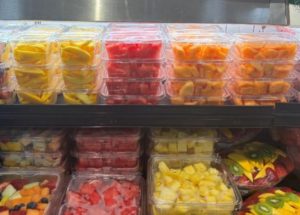
Do You Know How Quality Plastic Packaging Reduces Food Waste?
At a Glance Quality packaging fights food waste in America by extending freshness and preventing spoilage through barrier protection and smart design. Sealing, portion control, and durability cut down on damage and over-consumption. Lightweight plastic reduces transport losses, lowering breakage and carbon impact versus heavy packaging. Investing in packaging pays off, balancing cost and sustainability […]
Read More +

Jun 11, 2025
The Reality of Post-Consumer Recycled Materials in Plastic Packaging
At a Glance Post-consumer recycled materials vary in quality, depending on source, sorting, and contamination — real-world PCR isn’t always consistent. PCR adds color/odor challenges, meaning branding, clarity, and food safety must be carefully managed. Regulatory compliance is non-negotiable, requiring PCR materials to meet FDA/food-contact standards before use. Transparent testing and supplier partnerships are essential […]
Read More +
Jun 09, 2025
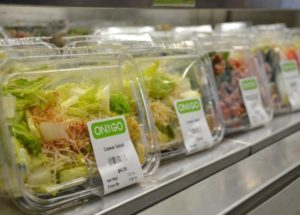
Trust at First Sight: The Strategic Value of Consumer Confidence Through Tamper-Protected Food Packaging
At a Glance Tamper-protected food packaging builds consumer trust, signaling safety and care from shelf to home. Clear tamper evidence deters theft and tampering, keeping products intact and brands protected. Implementation costs and design impact usability, so balance security with consumer friendliness. Success hinges on seamless integration — educate consumers, streamline production, and ensure reliable […]
Read More +
May 30, 2025
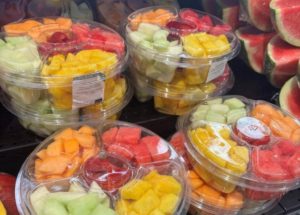
How Controlling Fruit Purge Can Save Your Fresh-Cut Products Today
At a Glance Fruit purge control is essential — managing expelled juices prevents soggy packaging, microbial growth, and product damage. Drainage systems (pads, trays, mesh) wick away excess liquid, keeping fruit fresh and appealing. Modified atmosphere packaging (MAP) reduces respiration and purge by adjusting gas levels around the fruit. Temperature control and rapid sealing are […]
Read More +

May 19, 2025
Aluminum vs. Plastic Packaging: Pros, Cons, and Real-World Considerations
At a Glance Aluminum and plastic both have unique strengths — aluminum offers high barrier protection and recyclability, while plastics excel in light weight and design flexibility. Plastics typically have a lower carbon footprint during production and transport due to their lighter mass. Aluminum wins on reuse and infinite recyclability, but can require more energy […]
Read More +
May 14, 2025
What is Modified Atmosphere Packaging & Can It Extend Shelf Life?
At a Glance Modified atmosphere packaging uses tailored gas mixes (like low O₂, high CO₂) to slow spoilage and protect freshness. It extends shelf life significantly, especially for meats, produce, and fresh-cut foods. Packaging materials and seal integrity are critical to maintain the right gas balance over time. MAP systems require investment, including gas control […]
Read More +
