
Jun 30, 2025
These Are the Best Recycling Practices for Food Industry Heroes
At a Glance Master RICs: Recycle food-grade plastics (#1, #2, #5); avoid polystyrene and mixed plastics. Prep simply but smart: Light rinse only; leave caps, labels, and rings on. Optimize for equipment: Compress containers; keep small items attached so they don’t get thrown out. Know your local MRF: Understand nearby recycling tech and systems to […]
Read More +
Jun 27, 2025
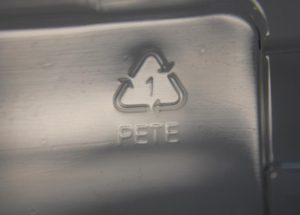
What Do Those RIC Symbols on the Bottom of Packaging Mean?
At a Glance RIC numbers (1–7) identify plastic types, not recyclability — e.g., “1” means PET, “2” means HDPE, “5” means PP. Symbols help sort plastics, so recyclers know what material they’re handling — not an assurance your local program recycles it. Consumer confusion is common — many mistake RIC for a recycling promise, leading […]
Read More +

Jun 23, 2025
Do You Know What Happens to Your Recycling When It Gets Picked Up from the Curb?
At a Glance Understand the recycling process: Curbside pickup → MRF sorting (optical, mechanical, manual) → cleaned and processed materials. Single-stream vs. dual-stream affects contamination and sorting efficiency. Prep right: rinse lightly, remove hazardous items, and don’t bag recyclables. Tailor packaging to local systems: know what your regional MRF accepts and educate customers accordingly. “Reduce. […]
Read More +

Jun 20, 2025
Do PET Post-Consumer Recycled Materials Contain PFAS? What Our Testing Revealed
At a Glance Post-consumer recycled content can be PFAS‑free — lab tests on PET with 10–100% PCR showed no detectable PFAS, easing health concerns. PFAS fears may be overstated, as contamination didn’t appear despite theoretical worries. Ongoing testing and supplier checks are key to maintaining safety as recycling processes evolve. Sustainable + safe = possible […]
Read More +
Jun 18, 2025
The Truth About Plastic Food Packaging Sustainability
At a Glance Plastic food packaging sustainability hinges on life-cycle impact: efficient production offsets heavier alternatives like glass or metal. Plastic outperforms heavier materials in CO₂e when accounting for weight, transport, and food waste prevention. Microplastics aren’t a major source from packaging, unlike textiles or paints. Beyond recycling: strategies like eco-design, circular systems, producer responsibility, […]
Read More +

Jun 16, 2025
Molded Fiber Food Containers: Promise or Problem?
At a Glance Molded fiber food containers offer compostable benefits, but often need barrier coatings that may include PFAS or plastic. They lack clarity and durability, making them better for quick-turn items than long shelf-life products. Production is slower and more expensive than plastic due to complex forming and drying steps. Innovation is underway, but […]
Read More +

Jun 11, 2025
The Reality of Post-Consumer Recycled Materials in Plastic Packaging
At a Glance Post-consumer recycled materials vary in quality, depending on source, sorting, and contamination — real-world PCR isn’t always consistent. PCR adds color/odor challenges, meaning branding, clarity, and food safety must be carefully managed. Regulatory compliance is non-negotiable, requiring PCR materials to meet FDA/food-contact standards before use. Transparent testing and supplier partnerships are essential […]
Read More +

Jun 06, 2025
Plastic Bans 101: What You Need to Know as a Food Industry Professional
At a Glance Plastic bans target specific single-use items, not all packaging — common hits include bags, foam containers, straws, utensils, and small water bottles. Rules vary widely, with a mix of city and state regulations, plus some states blocking local bans. Business impact includes packaging changes, cost shifts, and tracking compliance across regions. Trends […]
Read More +
Jun 04, 2025
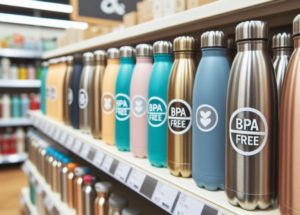
BPA Explained: Should You Be Concerned for Your Food Business?
At a Glance BPA-free packaging is a top priority, as consumers and regulators demand materials without bisphenol A due to health concerns. Alternative materials like PET, HDPE, and polypropylene avoid BPA but should still be vetted for migration and food contact safety. Supplier certifications and testing ensure compliance and prevent unexpected chemical exposures. Transparent labeling […]
Read More +

May 28, 2025
The U.S. Plastics Pact: What Food Business Pros Need to Know
At a Glance Plastic pact initiatives push brands toward PCR and circular systems, driving targets like 30% post-consumer recycled content and eliminating problematic plastics. Participation reduces risk, helping companies avoid future bans and align with retailer and policy expectations. Reports and data from the Pact offer actionable market insights, guiding strategic packaging decisions. Adapting takes […]
Read More +