

Jul 09, 2025
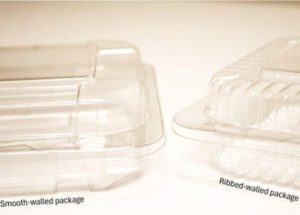
Smooth-Walled vs. Ribbed-Walled Packaging: Which is Better?
Ever grabbed a container of cookies and noticed those distinctive raised lines running along its sides? Or picked up a premium dessert in a sleek, crystal-clear, smooth package? That subtle difference represents a crucial strategic decision in the food packaging world. Beneath those grooves and sleek surfaces, a fascinating battle unfolds. It’s a clash of […]
Read More +

Jul 07, 2025
The Business Case for Recycling Stream Knowledge
Imagine being in your food packaging facility. You watch as pallets of neatly packaged products roll off the line. Each container tells a story of innovation, quality, and brand excellence. But here’s the twist — a secret sequel is in the works. It could be an environmental success story or a cautionary tale that might […]
Read More +

Jul 02, 2025
Will Potential Tariffs Affect the Prices of Raw Materials for Plastic Food Packaging?
It should come as no surprise that food industry professionals across the country are grappling with uncertainty around potential tariffs and their impact on plastic packaging costs. With trade policy discussions swirling around like delicious ingredients in a cake mixer, companies are struggling to figure out how this could impact their packaging budgets. And let’s be […]
Read More +

Jun 30, 2025
These Are the Best Recycling Practices for Food Industry Heroes
You’re a food industry pro. There isn’t a challenge you haven’t stood up to (or at least, not yet. There is still time for the Food Network to ask to shoot a new show about the hottest new snack trends at your business). You’re already solving complex daily issues — from supply chain logistics to […]
Read More +
Jun 27, 2025
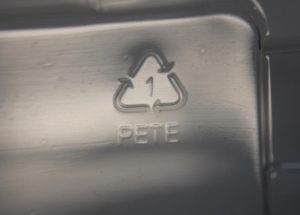
What Do Those RIC Symbols on the Bottom of Packaging Mean?
If you work in the food business, you face mounting pressure. Your customers increasingly demand sustainable packaging choices, your competitors are touting their environmentally friendly credentials, and you need to make purchasing decisions that align with both your values and bottom line. But when you flip over packaging and see those triangular recycling symbols with […]
Read More +

Jun 23, 2025
Do You Know What Happens to Your Recycling When It Gets Picked Up from the Curb?
“Reduce. Reuse. Recycle.” This has been instilled in most of us for a large portion of our lives. Without research, we can’t accurately gauge how many people are truly reducing and reusing materials. But we certainly admire the creativity behind innovations like transforming an old pool net into a gutter cleaner with some strategically placed […]
Read More +
Jun 20, 2025
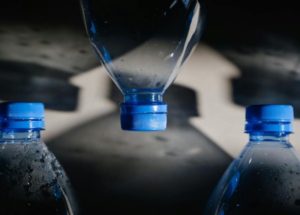
Do PET Post-Consumer Recycled Materials Contain PFAS? What Our Testing Revealed
As we strive to protect our planet, people constantly search for ways to make a difference. While not everyone can be a marine scientist working on complex machines cleaning up the oceans, most of us find ourselves taking simpler day-to-day steps like reusing and recycling. Many shoppers deliberately select products with recycled packaging — specifically […]
Read More +
Jun 18, 2025
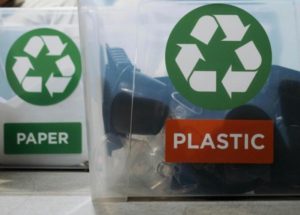
The Truth About Plastic Food Packaging Sustainability
Let’s be honest: Packaging choices can be complicated. The industry values innovation and responsibility, yet here we are, lost in a sea of mixed messages about plastic food packaging sustainability. Yesterday’s eco-villain can turn into today’s climate hero in no time, much like how milk quickly spoils in a poorly designed container. For food industry […]
Read More +

Jun 16, 2025
Molded Fiber Food Containers: Promise or Problem?
From egg cartons to Chipotle’s famous takeout packages, molded fiber food containers are popping up across the food industry. As regulations change and sustainability becomes a focus in boardrooms, food professionals need to clearly see all their packaging options. With over 50 years in the industry, Inline Plastics has seen packaging trends come and […]
Read More +

Jun 11, 2025
The Reality of Post-Consumer Recycled Materials in Plastic Packaging
Most of us want to do what is best for the planet. Few people intentionally pour motor oil down city street drains or dump nuclear waste into lakes. Now more than ever, it’s vital that our choices reflect our good intentions for the environment. For those in the food industry, a key decision is using […]
Read More +
