At a Glance
- Consumer eating habits are shifting fast, and grab-and-go packaging now needs to match how people truly eat: In cars, between meetings, and on the move.
- Economic pressure is driving shoppers toward smaller portions, lower-cost items, and prepared meals — creating new demand for convenient, high-quality packaged options.
- Separate containers vs. multi-compartment trays both offer unique advantages.
- Functional features like resealability and sturdiness are essential for preventing spills and building trust during on-the-go eating.
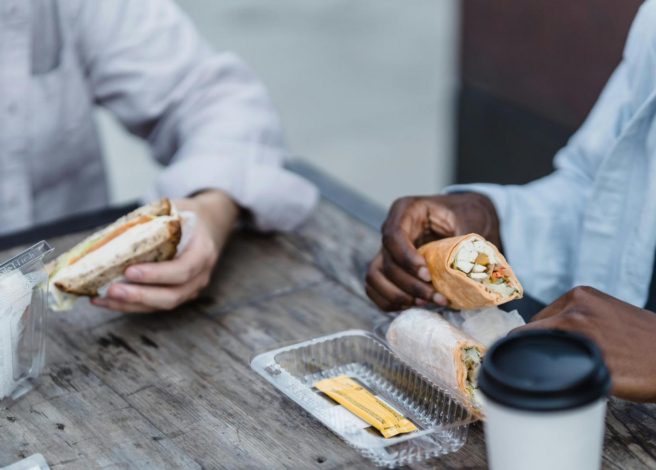
Your customers are eating differently, and not in the way you may think. While they may not be doing anything too wacky like consuming everything with salad tongs, there are more particular details about their dining habits that have changed. They’re grabbing lunch between meetings, picking up dinner on the way home, and snacking in their cars more than ever before. But here’s the thing: If your packaging doesn’t match how they actually eat, you’re leaving money on the table.
The grab-and-go food market is shifting fast, and the packaging choices you make today directly impact whether customers choose your products tomorrow. This can, understandably, cause some level of anxiety for foodservice operators.
Worry not: Inline Plastics is here. We’ve been in the business of fresh food packaging solutions for over 55 years and have seen market trends come and go in all corners of the industry, including foodservice operations.
This article breaks down exactly what on-the-go consumers need from foodservice packaging, why traditional approaches aren’t cutting it anymore, and how to package your offerings so they fly off the shelf faster than free donuts in the break room.
Why Are Consumer Eating Habits Changing So Drastically?
 Let’s talk about the elephant in the room: The economy (Yes, we know it always finds a way to creep into conversations these days). Food costs have climbed, and that’s changing everything about how people eat.
Consumers aren’t choosing expensive cuts of meat like they used to. For example, if they’re craving beef, they’re more likely to buy burgers instead of steaks.
And it’s not just about cheaper options. People are busier than ever, but they don’t have the same disposable income for dining out. So, they’re looking for a middle ground: Prepared meals and grab-and-go options that save time without the restaurant price tag. According to a study by the Food Industry Association (FMI), “23% of shoppers surveyed said they’re spending less at quick service or fast-food restaurants. And 85% said they are making more foodservice purchases from the grocery store.”
This creates a massive opportunity for foodservice businesses. Your customers still want convenience and quality — they just need it in a different format than before.
What’s Happening with Portion Sizes and Variety?
Here’s a trend you’ve probably noticed: Portion sizes are shrinking. When food costs rise, businesses have two choices — raise prices to levels no one will pay (the bad option) or adjust portions to keep things affordable. Most are choosing the latter, understandably.
But smaller portions aren’t a bad thing for your business. They actually open the door to offering more variety, which is exactly what on-the-go consumers want right now — and let’s not forget health-conscious consumers looking for portion control.
Instead of a single large meal option, many retailers are offering multiple smaller items that consumers can mix and match. This approach works because it gives people flexibility. Maybe they want a sandwich and fruit today, but tomorrow they’ll grab a salad and nuts. More variety means more reasons to buy from you instead of your competition.
Should You Bundle Meals or Keep Items Separate?
Speaking of mix-and-matching, let’s talk bundling. For grab-and-go, the goal isn’t choosing between separate items or bundles — it’s using both strategically. Keep items packaged separately for flexibility, but offer bundle pricing (like a sandwich with two sides for a small upcharge) to increase perceived value and boost profits.
Think about how grocery store delis work now. You can get a rotisserie chicken breast in one container, mac and cheese in another, and green beans in a third. Or grab a sandwich from the cooler and pick two side salads from the nearby containers. Having a weird day and want to mix things up? Get that ham sandwich with a side of chocolate cake and shrimp cocktail! That’s the beauty of this approach: You can decide on the specifics of your meal, even for grab-and-go options — regardless of how bizarre that combo may be (no judgment).
While multi-compartment containers still play an important role, this flexible approach offers additional advantages for grab-and-go programs:
- Customers can customize: Everyone’s tastes are different, and letting people build their own combinations increases sales.
- Pricing flexibility: Separate packaging lets you price items individually while still offering bundle deals.
- Freshness: Different foods can be packaged in containers that suit their specific needs.
- Reduced waste: If someone only wants the entrée, they don’t have to buy (and waste) sides they won’t eat.
What Physical Features Matter Most for On-the-Go Packaging?
Resealability Prevents Disasters
 When snacking on-the-go, consumers may not want the entire portion at once. Have you tried eating an entire tuna sandwich while inflating your tires? Sometimes you need to take a break. If your packaging doesn’t seal properly after being opened, you’re creating a mess waiting to happen.
A container that reseals means your customer can eat half now, close it up, and save the rest for later without worrying about spills in their car or bag. This seems obvious, but you’d be amazed at how many grab-and-go options still use packaging that can’t be securely closed once opened.
Sturdiness Builds Confidence
When someone’s eating while driving or walking, they need to trust that their container won’t fall apart. A flimsy base or a lid that pops off easily means food ends up in the car seat — or worse (prepare for a nightmare), all over the screen of their phone!
Sturdy packaging does more than prevent messes, though; it signals quality. A solid, well-made container tells customers that you care about their experience — even when they’re not sitting in your restaurant.
How Does Packaging Quality Actually Affect Your Sales?
Here’s something that may not come as a surprise: Packaging quality directly impacts purchase decisions, often in ways customers don’t even consciously realize. While this observation may seem obvious, it deserves more explanation.
Transparency Equals Trust
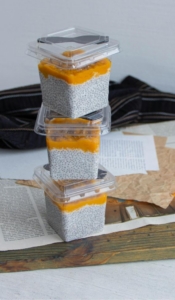
 Clear containers let customers see exactly what they’re buying. This matters enormously for fresh foods like salads, fruits, and prepared meals. Nobody wants to buy a salad only to discover the bottom is brown and soggy when they get to it later.
Complete transparency also works as a quality check for your operation. If your food looks great through clear packaging, customers feel confident buying it. If it doesn’t look great, well…that’s a product quality issue you need to fix anyway.
Premium Packaging Signals Premium Products
Think about the last time you stood in front of a grab-and-go cooler trying to decide between two similar items. If one was in a cheap-looking container and the other was in high-quality packaging with a secure seal, which would you choose?
Customers make split-second judgments based on packaging quality — whether consciously or not. A container that looks flimsy or cheap creates inherent doubt about the food inside. A well-made, professional container suggests that care went into the product.
This becomes even more critical for takeout and delivery. When customers can’t see your restaurant’s ambiance or watch their food being prepared, your packaging becomes the entire brand experience. It needs to communicate that you value quality and care about their experience just as much as you would if they were dining in.
The Takeaway Message
The grab-and-go market isn’t slowing down. Consumers want convenience, value, and quality, even when they’re eating in their cars or at their desks. Your packaging needs to deliver on all three areas. That means:
- Offering variety through multiple package types and sizes, not one-size-fits-all solutions.
- Enabling customization by using compartment-based or separate packaging that keeps components fresh and distinct — while supporting bundled meal options that encourage customers to mix, match, and upgrade.
- Prioritizing functionality with resealable, sturdy packaging that works for eating on the move.
- Choosing quality materials that signal you care about the product inside through clear, durable containers.
Remember: Your first impression happens through consumers’ eyes. Your packaging is the silent salesperson of your product. When buyers can see top-tier food through high-quality packaging, they’re already taking that first mental “bite” before they even open the container. Make it count.
Want to discover more about fresh food packaging? Visit our Learning Center today and explore a wide variety of topics.