
At a Glance
- Automation hesitation stems from fears of job loss, mistakes, and tough learning curves.
- Reality check: automation reassigns roles, improves safety, and boosts efficiency.
- Trust matters: transparency and involvement ease fears and build support.
- Upskilling wins: employees gain new skills and career opportunities.
Your employees shouldn’t be hesitant about automation, and neither should you. But it’s totally understandable why it could cause concern. Nobody wants a robot to steal their job.
Automation anxiety is real, widespread, and completely normal. Yet it’s often based on misconceptions rather than reality. The food industry is transforming, with innovative automation solutions becoming increasingly essential for staying competitive, improving consistency, and meeting growing demand.
With over 55 years in fresh food packaging and a suite of automation solutions, Inline Plastics brings a well-grounded understanding of operational efficiency and the practical challenges that accompany automation.
This article explores why employees hesitate, the implications of automation for your workforce, and practical strategies for introducing automated systems. By the end, you should have a greater understanding of how to make your team feel at ease when robots start to pop up in your operation.
Why Automation Creates Workplace Anxiety

The fear of job displacement sits at the heart of most automation anxiety. Workers see machines taking over tasks they’ve performed for years and naturally wonder if they’ll still have a place in the operation. This fear increases when employees aren’t informed about the company’s goals and plans for the workforce (that’s where you step in to save the day — more on this to come).
Beyond job-security concerns, many workers feel apprehensive about learning new systems. A 2025 Pew Research Center survey found that 52% of U.S. workers felt worried about how automation would impact their jobs — underscoring how managing automated equipment requires different skills than manual tasks, and why not everyone feels ready for tech-driven workflows. This anxiety often amplifies in food operations where maintenance departments may be limited or nonexistent, leaving workers wondering who will handle technical issues when they arise. Everyone dreads being the one who damages the expensive new machine. A simple wrong button press or missed maintenance step could lead to that. Employees often worry about being blamed for equipment they are still learning to use. This concern grows when the equipment costs more than their yearly salary (Yikes!).
The Reality of Automation in Food Operations
Contrary to popular misconceptions, automation rarely leads to mass layoffs in food operations. Instead, most successful rollouts involve reassigning workers to different roles within the organization. Larger plants can often shift employees from simple manual tasks to more valuable roles. This flexibility helps improve operations.
The timeline for seeing automation benefits is surprisingly quick. Many operations see quick boosts in throughput and efficiency right after installation. Workers often find that their initial worries turn into appreciation. Automation removes the dullest parts of their jobs. Tasks like screwing, labeling, and sealing containers can be strenuous and redundant, not to mention boring.
Automation typically affects staffing in nuanced ways rather than simple job elimination. Automated systems can reduce the time required for some tasks. This usually means fairer workloads for hourly employees instead of job losses. Cutting down on manual labor can enhance job satisfaction (which should come as a surprise to literally no one), and decrease injuries at work.
Strategic Benefits that Extend Beyond Labor Costs
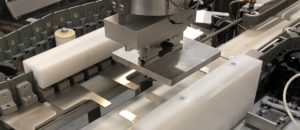
Here’s where automation really shines — it’s about doing things better than humanly possible while freeing up your team for more important work. When machines manage those tedious, repetitive tasks, your product quality will be much more consistent. No more guessing if today’s batch matches yesterday’s. You won’t worry about your team keeping precision during the afternoon post-lunch slump. In food packaging, consistency is crucial. It helps meet safety standards and keeps customers satisfied.
The throughput improvements often catch managers completely off guard. You may see a slight increase in productivity. However, before you know it, you’re handling orders quicker than Superman. Plus, you won’t need to hire more people or knock down walls to expand your workspace.
And let’s talk about the money-saving aspects that go way beyond payroll. Machines don’t get tired at hour seven of their shift and accidentally mislabel products. They don’t have off days where quality control becomes a nightmare of expensive fixes and customer complaints. When your automated system gets it right the first time, you save on labor.
Building Trust During Automation Implementation
Transparency is essential for successful automation rollouts. Workers need clear, honest communication about the company’s intentions regarding employment. The best way is to address job-security concerns directly. This prevents uncertainty and anxiety at work. Your employees will appreciate your reassurance.
Framing automation as a tool to help employees rather than replace them resonates well with most workers. When leaders demonstrate how automation reduces labor-intensive, repetitive tasks, employees are more likely to accept the changes. Think about it: When a bakery gets a fancy schmancy new dough divider or portioning machine, no one complains that it saves them from hours of repetitive hand work — they appreciate that it frees them up for higher-value tasks.
Involving employees in the automation planning process can transform potential resistance into enthusiasm. Workers who see how automation can boost their daily tasks and help the company are more likely to be pumped up for the change and ensure it works well.
Addressing Technical Support and Maintenance Concerns
 The question of technical support deserves serious consideration during automation planning. Automation providers often deliver extensive training and support. Still, having technical skills on-site can be very beneficial. Equipment downtime can lead to lost productivity, costing thousands each day. So, quick problem resolution is crucial.
Investing in a dedicated maintenance employee often pays for itself through reduced downtime and faster problem resolution. Skilled on-site maintenance can solve many problems quickly. This means you won’t have to wait for external technicians. This helps keep production lines running smoothly. Isn’t it also nice to know that there is someone on-site you can call if something goes wrong?
The best approach mixes training from the equipment maker with good old-fashioned mechanical know-how. A skilled maintenance worker can solve problems by using their knowledge of the machine and their general repair experience. It’s like how a good car mechanic can work on different brands of cars — the basics are the same, even when the details are different.
Upskilling Opportunities in Automated Environments
Automation opens new paths for employee growth. However, these paths differ depending on each person’s skills and the company’s requirements. The key lies in matching development opportunities with employee capabilities and interests. Workers who do manual tasks can learn technical skills. These skills include operating equipment, monitoring quality, and optimizing processes — or even suggesting new recipes (though we know yours are already perfect).
Many companies find that their automation experts stay useful even after machines start running. These specialists have worked with numerous businesses, so they often spot ways to make your whole operation run better. They might suggest simple changes you never thought of, having seen what works well at other places.
An Automatic Win-Win
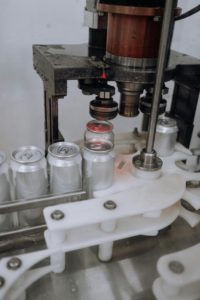 Here’s the thing about successful automation: It all comes down to talking to people like they’re…well…people. Keep everyone informed about what’s happening. Explain how their jobs will change, but not disappear. Also, listen to their questions or concerns. When employees feel heard instead of blindsided, you get enthusiasm instead of eye rolls.
Don’t forget that training isn’t a one-and-done deal. Food operations often deal with staff turnover, which means you’ll need to train new staff in the future. Integrating ongoing training into your automation plan is essential. It keeps everything running smoothly.
The bottom line is simple: Employee hesitation about automation makes sense, but it doesn’t have to stick around. When you’re upfront about your plans, honest about the benefits, and genuinely committed to helping your team grow with the changes, automation becomes exactly what it should be — a win for your business and a win for your people.
Automation isn’t the enemy of good jobs; it’s the enemy of tedious, repetitive motions that nobody really wants to do anyway. The real question isn’t whether to automate, but how to do it in a way that makes everyone’s work life better. Get that part right, and you’ll wonder why you waited so long to make the change.
Want to see if automation is right for you? Inline Plastics has a return-on-investment calculator that allows you to put in a few statistics like estimated equipment configuration, labor cost, containers per minute, and hours per day to see what the savings may look like for you.
Want to learn more about the plastic food packaging industry? Visit our Learning Center and explore a wide range of topics.