DistributionBlog

Nov 11, 2025
An Introduction to Oregon’s EPR Laws
At a Glance Oregon EPR laws shift recycling and waste management costs from taxpayers to producers of packaging, paper, and foodservice ware. Producers must join the Circular Action Alliance (CAA) PRO, report materials, and pay fees based on weight, recyclability, and eco-modulation factors. Responsibility depends on product type: Brand owners for packaging, and first sellers […]
Read More +

Nov 07, 2025
Find Out Why Mono-Material Food Packaging is a Recycling Superstar
At a Glance Mono-material packaging — made from one polymer and one polymer only — recycles more efficiently than mixed or “eco-friendly” alternatives. Many plant-based and fiber options fail because the right recycling or composting systems don’t exist. Using one material reduces contamination in the recycling stream and improves recycled plastic quality. Clear PET, HDPE, […]
Read More +

Nov 06, 2025
Not All Plastics Are Created Equal
At a Glance Differences in plastics matter — PET and HDPE are easily recycled, while polystyrene and multi-layer films often end up in landfills. Recycling depends on economics — only materials with value and available infrastructure get reclaimed. Innovation has trade-offs — lightweight and bio-based options conserve resources but make recycling more complex. Policy and […]
Read More +

Oct 31, 2025
Key Takeaways from the 2025 Global Produce and Floral Show
At a Glance IFPA show takeaways: IFPA proved the produce industry isn’t waiting for change — it’s creating it. “Fight for Fresh”: The new rallying cry for collaboration and access to fresh food. Traceability + tech: Smart systems are redefining packaging and compliance. Gen Z’s view: They want better packaging, not less packaging. Fresh off […]
Read More +

Oct 27, 2025
When Your Food Packaging Design Is Failing Your Business: 7 Warning Signs You Can’t Ignore
At a Glance Packaging design isn’t just about looks — it drives performance from production to purchase. Flawed design causes stacking issues, seal leaks, and spoilage that hurt profits and trust. Watch for seven warning signs: Weak structure, poor seals, bad visibility, outdated design, automation jams, transport damage, and low sustainability. Fixing design flaws with the right partner turns […]
Read More +

Oct 22, 2025
Why Can’t We All Agree on What ‘Sustainability’ Means?
At a Glance Sustainability confusion: Everyone defines “sustainable” differently — from recyclability to carbon footprint — making the term obtuse and difficult for many to understand. Core problem: Vague language, inconsistent infrastructure, and marketing claims create mixed messages and unrealistic expectations. Reality check: There’s no perfect solution — every material choice involves trade-offs, and progress matters more than perfection. […]
Read More +

Oct 21, 2025
Why Thinner Packaging Is Costing You More Than You Think
At a Glance Gauge optimization protects your product and profits — thinner packaging may save cents but costs more through damage and lost trust. Thin gauges weaken tamper protection, making containers easy to open or reseal unnoticed. Proper gauge adds durability, stack strength, and true tamper protection that preserves revenue and reputation. Choose gauge based on product, display, […]
Read More +

Oct 16, 2025
PCR Content in PET Packaging: Essential Guide for Food Industry Success
At a Glance PCR content in PET packaging helps food businesses meet rising sustainability demands while keeping product quality and profitability intact. Regulations, consumer expectations, and supply chain limits make recycled content adoption both urgent and challenging. Success depends on five steps: Audit current packaging, set realistic PCR content targets, partner with certified suppliers, implement […]
Read More +
Oct 14, 2025
Flexible vs. Rigid Food Packaging: Reshaping the Industry
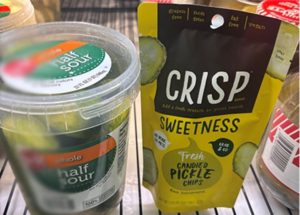
At a Glance Flexible package options deliver space efficiency, lower costs, and sustainability benefits, but face challenges with protection, speed, and recycling. Rigid containers provide superior protection, speed, and product visibility, but take more storage space, add shipping costs, and carry higher environmental impacts. Smart brands mix both — flexible for efficiency and labeling, rigid […]
Read More +

Oct 09, 2025
The Food Business Guide to SKU Rationalization: Managing Your Packaging Inventory
At a Glance SKU rationalization helps food businesses cut warehouse chaos, free up cash flow, and streamline operations by eliminating underperforming packaging. The hidden costs add up: Stagnant inventory drains space, ties up money, and creates costly errors in daily operations. A proven framework is effective: Annual audits, ABC analysis, closet analogy assessments, and cross-functional […]
Read More +