
At a Glance
- Differences in plastics matter — PET and HDPE are easily recycled, while polystyrene and multi-layer films often end up in landfills.
- Recycling depends on economics — only materials with value and available infrastructure get reclaimed.
- Innovation has trade-offs — lightweight and bio-based options conserve resources but make recycling more complex.
- Policy and perception matter — regulations and consumer doubts require proof of genuine sustainability.
Human beings have certainly left their mark on this planet. Just look at the amount of materials — especially plastics — we’ve created and discarded over the past century. But here’s what most people don’t know: Treating all plastics the same is like saying all cars are identical just because they have four wheels.
The truth is, some plastics — like all materials — can be environmental villains while others are sustainability heroes in disguise. Some can be recycled several times, while others are destined for landfills, no matter how good your intentions. For food business professionals, grasping these differences is crucial. It impacts your profits and your brand’s reputation.
At Inline Plastics, we’ve been in the business of plastic packaging solutions for over 55 years. It’s literally in our name. We’ve seen firsthand the challenges plastics pose, but also the innovations that make them part of a brighter, more sustainable future.
This week, we spoke with Conor Carlin, Founder and President of Clefs Advisory LLC. Conor works at the intersection of packaging and sustainability, serving as President of the Society of Plastics Engineers in 2024. Before launching his advisory firm, he led ILLIG’s North American operations as General Manager. With expertise spanning materials science, packaging technologies, policy, commercial strategy, and market intelligence, Conor brings a wealth of knowledge to the packaging industry.
This article reveals the true story behind plastic types. You’ll learn which ones actually get recycled (surprise; it’s not what you expect). Additionally, you’ll discover how new ideas can transform your packaging strategy, saving you money while also benefiting the environment.
The Plastics Reality Check
 Most consumers think plastic is just plastic — a water bottle, a yogurt cup, all the same. This oversimplification, however, makes it more challenging for food businesses to make informed, responsible choices. You wouldn’t call all breeds of dog the same (a foolish mistake for the novice pet owner).
In reality, plastics vary widely in recyclability and impact. PET (polyethylene terephthalate — we can feel your eyes squinting trying to read that) bottles, for example, have one of the highest recycling rates, while polystyrene foam is notoriously difficult to reclaim. Yet, both are often lumped together under the same “plastic is bad” label.
The result? Companies using truly recyclable materials face criticism alongside those using the least sustainable options — quite frankly, it’s a bummer.
The Economics Behind What Actually Gets Recycled
Here’s the truth about recycling: It’s driven by economics, not goodwill. Materials are recycled when they’re valuable enough to cover the costs of collection and processing. That’s why aluminum cans thrive, and some plastics don’t.
PET bottles are effective because they retain their value over multiple uses. There’s also the proper infrastructure and demand supporting them. But multi-layer packages or coated films? They’re too complex and usually end up in landfills (more on that later).
Even sorting adds hurdles. Optical scanners often miss black plastic, so a clear PET container is far more likely to be recycled — even though the base material is identical.
Innovations on the Horizon
 Innovators are quietly developing solutions that could change the debate about plastic. While people debate its pros and cons, these new ideas may shift the entire discussion. Some of these advances may sound like science fiction, but they are already being tested in real-world applications.
One breakthrough is packaging for shampoo (which can also be used in food applications for things like condiments) that is ultra-lightweight. It uses 75% less material than standard rigid packaging, but still provides the same protection and shelf appeal. These packages offer flexible options and use far fewer resources. Picture sending the equivalent of five trucks’ worth of product in only two: three fewer trucks on the road with the associated reduction in emissions, and costs. That’s the efficiency that brings smiles to CFOs.
The catch? Some innovations often create new challenges. For instance, these packages for liquids are made from Low-Density Polyethylene (LDPE). This means they may be too light for today’s recycling systems which favor rigid, heavier plastics. They might end up in a no man’s land between rigid and flexible waste streams. Some grocery stores collect LDPE in both front-of-store (like your bread bags) and back-of-store (like shrink wrap for bulk goods), but this is not a nationwide standard. It’s the classic innovator’s dilemma: The solution that solves one problem creates another.
Bio-based plastics represent another frontier, but they’re not the silver bullet many hope for. Materials like polylactic acid (PLA) can be composted under specific conditions, but they also contaminate traditional recycling streams if they end up in the wrong bin. It’s like adding a new ingredient to a recipe — it might improve one aspect while throwing off the entire balance, like adding clams to a candy bar (sorry for that image).
The Policy Landscape That’s Reshaping Your Options
Policy changes are quietly reshaping the plastic landscape — and your packaging choices. Extended Producer Responsibility (EPR) programs are spreading, making producers financially responsible for the entire lifecycle of their packaging. This changes the incentives: When disposal costs are a factor, lightweight and recyclable options become financially and environmentally attractive. Yet the arrival of “Responsible End Markets” — that is, proof that someone is willing to buy and use these recovered materials, means that economics continue to play a significant role in EPR. Developments in Oregon and California, in particular, are being closely monitored by state environmental agencies — the Oregon Department of Environmental Quality (DEQ) and California’s CalRecycle — along with the Producer Responsibility Organization, Circular Action Alliance (CAA).
Trade policy adds pressure, too. New tariffs on imported PET might change domestic recycling markets. They could also impact the availability and cost of recycled content.
Meanwhile, a patchwork of state and local rules creates complexity. What works in California might be banned in Texas, and what’s recyclable in Seattle could be landfill-bound in Des Moines. Food companies need packaging strategies built to navigate this regulatory maze.
Making Smart Choices in an Imperfect System
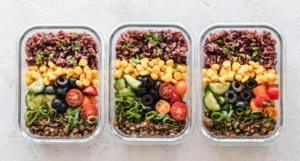
Perfect solutions don’t exist, but better choices do. Focus on materials with proven recycling infrastructure like PET and HDPE — they’re not flawless, but they work in real systems.
Consider the full lifecycle, not just end-of-life. Lightweight packaging can cut transport emissions and reduce overall impact, even if it’s harder to recycle.
Stick with clear, simple designs. Light-colored, mono-material containers recycle best, while extra coatings, layers, and paper labels often cause contamination.
Finally, back your sustainability claims with facts. Choosing better materials — and explaining why — builds real credibility and helps your brand stand out in a world tired of greenwashing.
Pack to the Future
The plastic packaging industry is undergoing rapid change. Technology, policies, and consumer preferences are driving this evolution. Successful companies will grasp the nuances instead of going for easy explanations.
This means staying informed about material innovations, understanding the realities of recycling in your markets, and making packaging choices based on data rather than perception. It also means being prepared to adapt as new technologies and policies reshape the playing field.
The conversation around plastic isn’t going away, but it is getting more sophisticated. Food professionals who understand these complexities can make more informed choices. This helps achieve their business goals and supports environmental responsibilities.
Not all plastics are created equal — and that’s actually good news for companies willing to do their homework (and we’re betting that means you). The key is to understand the difference. Make choices that reflect both what is true now and what might be possible later.
In a world of oversimplified solutions, granular understanding becomes a competitive advantage. Not everything is black and white. Sometimes the answers we’re looking for actually live somewhere in the gray areas, and we have to be daring enough to explore them.
Are you interested in learning more about food packaging and sustainability? Visit our Learning Center today and explore a wide variety of topics.
Want to know more about Conor Carlin and his work at Clefs Advisory LLC? Connect with him on LinkedIn.