At a Glance
- Plastic manufacturing uses different methods: Thermoforming, injection molding, and blow molding each create containers for different applications.
- Thermoforming turns plastic sheet into food containers: Heat, molds, and forming techniques shape plastic into lightweight, durable packaging.
- PET and PP serve different food packaging needs: PET offers excellent product visibility, while PP is commonly used for microwave-safe applications.
- The right packaging depends on your food: Understanding manufacturing methods, materials, and performance requirements helps food businesses choose containers that protect and present their products.
From fresh salads to ready-to-eat meals, plastic containers are everywhere. But have you ever wondered how they’re actually made? Probably not.
That makes sense. You and your customers focus on what’s inside the package, not the equipment used to make it.
But if you’re responsible for selecting packaging, understanding how plastic containers are made can help you make better decisions about performance, durability, presentation, and cost.
So, how are plastic containers actually made?
The short answer: It depends on the type of container.
At Inline Plastics, we’ve been providing packaging solutions to fresh food businesses for over 55 years, specializing in thermoformed food packaging. In this article, we’ll explore the different ways plastic containers are manufactured, take a closer look at thermoforming and the materials used, and explain how understanding these processes can help you choose the right packaging for your food.
Warning: Things are going to get heated!
What Are the Main Ways Plastic Containers Are Made?
Three of the most common plastic manufacturing methods are thermoforming, injection molding, and blow molding.
Thermoforming shapes heated plastic sheet into containers, injection molding forces melted plastic into molds, and blow molding uses air pressure to create hollow products.
Each process has its strengths. The right one depends on the container’s shape, material, production volume, and intended use.
How Does Thermoforming Work?
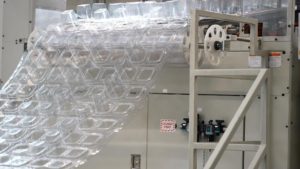
Now let’s get into the nitty-gritty. Thermoforming is the process we specialize in at Inline Plastics.
It starts with plastic resin that’s converted into a long, continuous sheet and rolled up on what looks like a giant spindle. That sheet is then fed into thermoforming equipment, where it’s heated until it becomes soft and flexible.
Soft, not melted. We’re making containers, not plastic soup.
Once the sheet reaches the right temperature, it moves into a forming station. A mold gives the package its shape, while air pressure, vacuum, and sometimes special tools called plugs help guide the softened plastic into the mold.
Next, the plastic cools so it holds its new shape. The containers are trimmed or punched out of the sheet, like cookies from rolled-out dough. Fold lines can also be added where needed.
Finally, the containers are stacked and packed, and before you know it, they’re graduating from food school with a degree in protection!
What’s the Difference Between Contact Heat and Preheat Thermoforming?
Yes, of course there is more nuance. Even within thermoforming, there are different ways to heat plastic before shaping it.
At Inline Plastics, we use two methods: Contact heat and preheat thermoforming.
Contact Heat Thermoforming
Contact heat thermoforming softens the plastic sheet by placing it against a heated surface, a bit like a grilled cheese meeting a hot pan. Air pressure then pushes the softened plastic against a mold to create the container’s shape. Once the material cools, the containers are cut from the surrounding sheet, stacked, and packed.
At Inline Plastics, this method is often used for simpler container designs because it offers an efficient approach to heating and forming.
Preheat Thermoforming
Preheat thermoforming takes a different approach. Instead of touching a heated surface, the plastic sheet passes through a heating station that warms it from above and below. Think of it as a really big oven built to get plastic to the right forming temperature. Once the sheet becomes flexible, it moves into the forming station. Air pressure and specialized plugs can then help guide the plastic into deeper or more complex mold shapes.
At Inline Plastics, this method is used to create deeper containers, more complex shapes, and specialized design features (did someone say “leak-resistant seals”?)
Both methods can produce quality food packaging. The best approach depends on the material, container design, tooling, and performance requirements.
What Types of Plastic Are Used in Thermoformed Food Packaging?
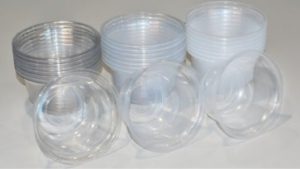 Several types of plastic can be thermoformed, but two commonly used materials in food packaging are PET and PP.
Polyethylene terephthalate (PET) (try saying that three times fast) is often chosen when product visibility matters. Clear PET lets shoppers see the food inside, making it especially useful for fresh produce, baked goods, deli foods, snacks, and prepared meals.
Basically, it lets the food do the selling.
Polypropylene (PP) is commonly used when packaging needs to withstand higher temperatures. Its heat resistance makes it a popular choice for microwave-safe containers designed for reheating food.
The right material depends on how your food will be filled, stored, shipped, displayed, and used.
What Are the Advantages of Thermoformed Food Packaging?
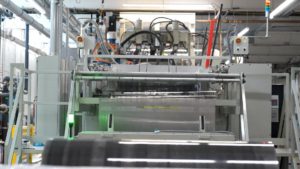
For many food applications, thermoforming offers a winning combination of performance, design flexibility, and production efficiency.
Lightweight Construction: Thermoforming can produce thin-wall containers that use relatively little material while providing the strength needed for many food applications. Lighter packaging can also make handling and shipping easier while potentially reducing transportation-related emissions.
Efficient Production: Thermoforming is well suited for high-volume manufacturing. Production speeds depend on the equipment, material, container size, and design, but the process can produce large quantities of consistent packaging quickly.
Design Flexibility: Thermoforming can create a wide variety of shapes, sizes, depths, lid styles, compartments, and other features to accommodate different foods and applications.
For food businesses, these advantages can mean more packaging options without sacrificing the features needed to protect and present their products.
How Does Injection Molding Work?
Injection molding skips the plastic sheet entirely. Instead, plastic resin is heated until it melts, then injected into a closed mold under pressure. The plastic cools and hardens inside the mold before the finished part is released.
Injection molding is used for all kinds of products, including food containers, lids, and other packaging components. It’s especially useful when a product needs thicker walls, extra stiffness, or detailed molded features.
For many lightweight food containers, however, thermoforming can be a more cost-effective choice, depending on the design, material, and production volume.
How Does Blow Molding Work?
Blow molding is usually used for hollow products like bottles and jugs. Heated plastic is placed inside a mold, and air pressure expands it until it takes the mold’s shape.
Picture blowing up a balloon inside a box, and you’ve got the idea.
Once the plastic cools, the mold opens and the finished container comes out. This process is commonly used to make drink bottles, milk jugs, and condiment bottles.
So yes, your ketchup bottle got its start with a big breath of air.
How Do You Choose the Right Plastic Container?
 Knowing how a container is made is useful, but the bigger question is how it will perform in your operation.
Manufacturing methods and material choices influence a package’s weight, strength, wall thickness, clarity, heat resistance, and design possibilities.
So, before choosing a container, think about the food you’re packaging and the journey it will take.
- Will the food be packed hot or cold?
- Will it need to be reheated?
- Do consumers need to see what’s inside?
- Does the package need to resist leaks or show signs of tampering?
- How will it be shipped, stored, and displayed?
Remember to test your packaging under the real-world conditions your product will experience.
After all, a package that’s perfect for fresh strawberries may not be the best choice for a meal headed to the microwave.
Comprehending your product’s needs can help you work with your packaging supplier to find the right combination of material, manufacturing method, and container features.
The Whole Package
Understanding how food packaging is manufactured can help you make more informed decisions about performance, cost, and design.
Whether you’re packaging fresh produce, baked goods, or microwaveable meals, the right container should do more than hold your food. It should protect your product, support your operation, and help that food reach consumers looking just the way you intended.
Want to discover more about choosing the right food packaging? Visit the Inline Plastics Learning Center for more resources to help you make confident packaging decisions.