
Listen to the audio recording of this blog post or check out the featured Podcast about this topic.
At a Glance
- Tamper-obvious packaging makes safety instantly visible from a distance, helping customers trust your product without picking it up.
- Consumers make split-second decisions, so packaging must show clear, irreversible signs if it’s been opened — “evident” isn’t always obvious enough.
- Subtle seals or perforations can fail to meet shoppers’ real-world expectations, leading to lost sales, shrink, and damaged trust.
- Procurement teams should test packaging side-by-side and prioritize what shoppers choose, not just what looks good on a spreadsheet.
There’s a reason your customers have always trusted your brand: You have consistently delivered the highest quality food. You keep your store cleaner than a soap factory. Not to mention your inclusive environment, which gives shoppers that “welcome home” feeling.
While everything was going according to plan, you received some advice from a (not very reliable) friend about your packaging: You should switch to containers that offer minimum tamper-evidence to save money.
“The consumers won’t notice.”
“Your bottom line will thank me.”
“In this economy, it’s all about saving money.”
Whatever happened to friendly recommendations about new shows to watch?
Suddenly, a customer picks up your container in the produce aisle, notices something slightly “off” about the seal, puts it back, and grabs your competitor’s package instead.
Game over.
Here’s the thing about food safety: It’s not just about being safe. It’s about looking safe from six feet away while someone’s juggling a shopping list and herding two kids. And that distinction between tamper-evident and tamper-obvious packaging? It may be bigger than you think.
Consumer preference needs to be front and center. After all, you’re not buying packaging to make your purchasing team happy — you’re buying it to sell products. And if consumers don’t trust the packaging, they won’t buy the product.
Inline Plastics has been providing solutions for fresh food businesses for over 55 years and has paved the way for tamper-evident and tamper-obvious packaging.
In this article, we’ll explore why “obvious” beats “evident” every time, what consumers are actually looking for when they shop, and how to evaluate packaging solutions that protect both your product and your reputation — enabling you to give a bit more accurate advice to well-meaning friends.
What’s the Real Difference Between Tamper-Evident and Tamper-Obvious?
 Think about a soda can. When that tab is popped, you know. Everyone knows. There’s no squinting, no close inspection, no “hmm, maybe?” It’s right there: Opened or not opened.
That’s tamper-obvious. This may not be a widely accepted term across the industry, but it should be, and you’re about to find out why.
Let’s start by thinking about those subtle perforations on some packages that break when opened but can be pressed back into place. Or something is altered in a small way, leaving it looking like any other container. In both cases, you know what you are looking for and you have to pick it up, examine it closely, or handle it to notice that anything has been tampered with.
That’s technically tamper evident…but certainly not obvious. So, what is the problem?
You have to remember that your shoppers aren’t forensic investigators. They’re busy people making split-second decisions in a crowded grocery store. They want food safety to be glaringly, obviously, unmistakably clear. They will not look for small things, and sometimes, they will have no clue someone has opened the package before them. And maybe, they’ll find out when they come home — with that, you may have lost the next sale.
Why Should Food Business Professionals Care About This Distinction?
As a food business pro, you know that trust isn’t just important — it’s everything. And it’s built one successful shopping experience at a time.
Consumers are trusting that your facility standards, your handling practices, and yes, your packaging, are keeping their food safe from the warehouse to their cart.
Break that trust once, and they might never buy your product again (scary, right?).
Here’s what’s at stake: A package that pops open in the parking lot? That’s your problem. A container that someone could open, inspect, and close again without obvious signs? That’s also your problem. A seal that requires customers to squint and wonder if it’s been compromised? You guessed it — still your problem. Because in every scenario, you’re the one losing the sale, dealing with shrink, and watching shoppers reach for a competitor’s product instead.
How Do Consumers Actually Spot Tampered Packages?
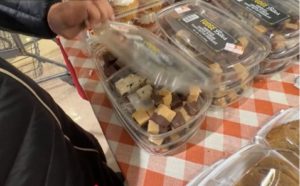 The truth is simple: Through history and experience.
When a product has been on the market long enough, consumers develop expectations. They know what a fresh, unopened package should look like. More importantly, they know what it shouldn’t look like.
A missing tear strip? Red flag.
A perforated edge that looks weird? They’ll probably pass.
A label that’s very wrinkled? Next!
Always choose designs for the most cautious consumers. When you make those shoppers feel safe, you’re covering everyone else too.
Think about it: Unlike canned goods with long shelf lives, fresh-prepared foods have a narrow window. A salad made yesterday or this morning doesn’t have the same margin for error as a dented can of beans. (Though let’s be honest, plenty of people won’t buy the dented can either.)
What Makes Packaging Security Truly Obvious to Shoppers?
The gold standard? It should be noisy, visible, and irreversible.
When a package has been opened, the evidence should be loud. Very loud, if possible. A tear strip that makes a distinctive ripping sound isn’t just functional — it’s a social deterrent. Try opening one of those in a produce section and see how many heads turn, and not in a good way.
Visually, the change should be dramatic. Not “if you hold it up to the light and tilt your head” noticeable. More like “I can see from three feet away” obvious. We’re not saying that if a package is opened, an alarm with sirens, lights, and a balloon drop should occur. But missing components, broken perforations, and displaced parts should practically announce themselves.
And critically, it should be impossible to reverse. A broken seal that can be pressed back together? That’s not tamper-obvious. That’s tamper-hopeful. A tear strip that’s completely removed from the package, leaving an unmistakable gap? Now we’re talking!
How Should Procurement Teams Evaluate Tamper-Evident Solutions?

Here’s where many food businesses get it wrong: They let price drive the decision. Yes, that matters, for sure. Nobody wants packaging that costs a fortune or fails during shipping.
But the real decision-maker should be your customer.
So, how do you actually test this? Put options side by side. Same product, different packaging solutions, merchandised right next to each other. Then watch what moves faster. Let consumer behavior guide you, not spreadsheet calculations alone.
Ask yourself: Would customers choose this package over an alternative? Would they notice if something was wrong? Would they feel safe buying it?
If you’re not confident in those answers, keep looking.
What Should You Look for When Comparing Packaging Options?
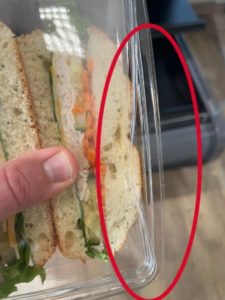 Start with the obvious test: Would you spot tampering from a distance?
Not after picking it up, examining it carefully, and holding it at different angles, but from where you’d naturally see it on the shelf. Because that’s the actual shopping experience.
Next, think about consistency. Can this solution deliver the same level of security across different products? Fruit cups, sandwich containers, salad bowls, snack packs — does the tamper protection work the same way every time? Consistent experience builds consumer trust faster than anything else.
Consider the whole journey. Does the packaging hold up during shipping? Does it pop open accidentally? Is it easy to open intentionally but impossible to close again without obvious signs? These aren’t minor details — they’re the difference between success and failure.
And finally, think long-term. Building customer loyalty takes time. Every positive experience with your packaging reinforces trust. Every negative one erodes it. The cheapest option today might cost you customers tomorrow.
The Obvious Decision
In the fresh food business, you’re competing for trust just as much as you’re competing for taste. Your packaging is the first promise you make to customers — that this food is safe, untouched, and exactly what they expect.
Tamper-evident packaging keeps that promise on paper. Tamper-obvious packaging keeps it in practice.
The question isn’t whether you need protection. It’s whether that protection actually protects your brand when it matters most — in the three seconds a customer decides whether to buy your product or keep walking. Choose packaging that makes the right choice obvious.
Are you interested in finding out more about fresh food packaging? Visit our Learning Center today and explore a wide range of topics.