

Mar 05, 2026
Premium Products Deserve Premium Packaging. Period.
At a Glance Premium products are judged in seconds, and packaging plays a huge role in whether shoppers perceive quality before they ever taste the food. Weak or damaged packaging undermines trust, value, and shelf appeal — even when the product inside is excellent. Container integrity, clarity, and merchandising directly impact food safety, shelf life, and consumer […]
Read More +

Feb 26, 2026
How Is the Rise of GLP-1 Usage Affecting Food Packaging?
At a Glance GLP-1 use is driving smaller portions and higher demand for protein, fresh, and functional foods. Multi-serve packaging is declining; single-serve and portion-controlled formats are growing. Health-focused buyers also expect clear labeling and sustainable packaging. Distributors and retailers must pivot formats, diversify categories, and align with wellness trends to stay competitive. If you’re in the […]
Read More +

Feb 11, 2026
How Can I Use Packaging to Make My Product Stand Out?
At a Glance Packaging differentiation comes from performance — leak resistance, durability, clarity, safety, and shelf-life protection — not just eye-catching design. Brands often make costly mistakes chasing creative shapes or cheaper options that leak, pop open, or create labor and customer service issues. The winning formula blends functionality with creativity: Test small, ensure the package […]
Read More +

Feb 06, 2026
EPR Fees and Food Packaging: What You Need to Know Before Costs Jump
At a Glance EPR fees are unavoidable: If you sell food in packaging, you’ll help fund recycling systems — and costs change based on material type, weight, and recyclability. Packaging choices affect the bill: Single-material, recyclable packaging and recycled content can lower fees; mixed or hard-to-recycle materials raise them. This is a planning issue, not just […]
Read More +

Jan 30, 2026
rPET Food Packaging: What Food Businesses Need to Know Beyond the Sustainability Hype
At a Glance rPET in food packaging is in high demand, but supply can’t keep up — creating cost premiums, regulatory considerations, and sourcing challenges for food businesses. U.S. collection rates remain low for recyclable plastics, driving shortages and limiting how much recycled content brands can realistically use. Although rPET costs more than virgin PET, it can meet FDA food-grade safety standards when properly […]
Read More +
Jan 23, 2026
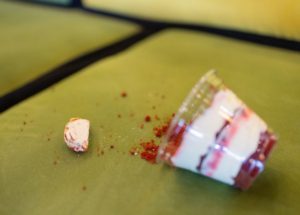
Impact Testing: The Hidden Secret to Packaging That Actually Works
At a Glance Impact failures with packaging aren’t bad luck — they’re the result of containers that weren’t designed or tested to withstand stacking, drops, and cold storage. Impact testing reveals how containers behave at their weakest points, especially corners, across real-world temperatures where plastic becomes more brittle. When packaging fails, the true cost goes far beyond lost product, adding labor, safety risks, […]
Read More +

Jan 16, 2026
How Did the U.S. Plastics Pact’s Roadmap to 2025 Fare?
At a Glance The U.S. Plastics Pact set ambitious 2025 goals, but many depended on recycling infrastructure and end markets that simply weren’t ready, creating a gap between commitments and reality. Recycling rates and access to food-grade recycled content proved to be the biggest obstacles, not a lack of intent from participating companies. Some brands stepped back […]
Read More +
Jan 09, 2026
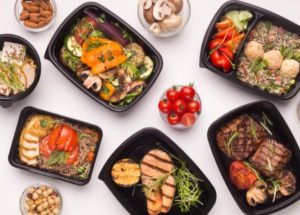
Black Plastic Food Packaging: Premium or Problematic?
At a Glance: Black plastic food packaging looks premium and hides things like excess sauces or grease, but it’s nearly invisible to recycling scanners. The carbon-black pigment absorbs light, sending recyclable PET trays straight to the waste stream. If black plastic happens to be sorted, there aren’t many end markets for it because it can only become other black plastic products — limiting the number of different applications. Detectable pigments and new scanners exist, but high costs slow adoption. Brands […]
Read More +

Dec 23, 2025
Why We Need to Talk About Closed-Loop Recycling
At a Glance Closed-loop recycling keeps materials in use — a PET clamshell becomes another clamshell, not carpet fiber. The main issue isn’t tech, it’s collection — recyclers lack a clean, consistent material supply. Local systems and smart design (APR guidelines, no black or mixed materials) can keep recycling truly circular. Real progress needs access, economics, and behavior […]
Read More +

Dec 17, 2025
The Risk of Betting It All on One Shiny New Product
At a Glance Chasing every new product innovation in food packaging can be risky — flashy features don’t always mean long-term reliability. The biggest danger in concentrating all your supply with a single new partner isn’t the product itself — it’s the uncertainty around their capacity to scale and deliver with consistency. Food pros know […]
Read More +