

Oct 23, 2026
An Introduction to New Jersey EPR Laws
At a Glance New Jersey’s law isn’t traditional EPR: Instead of using a Producer Responsibility Organization, the state puts registration, reporting, and recycled-content responsibilities directly on covered manufacturers. PCR requirements increase over time: The rigid plastic container requirement began at 10% and increases in stages, eventually reaching 50%. Food packaging has more time: NJDEP extended […]
Read More +

Oct 07, 2026
How Are GLP-1 Medications Changing the Food Industry?
At a Glance GLP-1 medications are changing food purchasing habits, with users spending less overall on groceries and cutting back particularly on sweets, snacks, and other indulgent categories. Smaller portions and greater flexibility are becoming more important, creating opportunities for smaller prepared meals, salads, snack packs, half sandwiches, and portion-controlled options. Protein, fresh produce, and […]
Read More +

Sep 29, 2026
Lettuce Talk About Traceability and Why It Matters More Than Ever
At a Glance Recent foodborne illness outbreaks have highlighted why fast, accurate traceability matters more than ever. FSMA 204 may be delayed until 2028, but businesses can still benefit from preparing now. Traceability often breaks down during handoffs between growers, packers, distributors, retailers, and foodservice businesses. Packaging helps connect products to critical traceability data through […]
Read More +

Sep 24, 2026
Are There More Foodborne Illnesses Now Than Ever? What Food Businesses and Consumers Need to Know
At a Glance Foodborne illnesses can enter the supply chain at nearly any point, from growing and processing to transportation, retail, and foodservice. Raw and multi-ingredient foods can create additional risks because there may be no cooking step and contamination can be harder to trace. Strong hazard analysis, supplier oversight, sanitation, and temperature control can […]
Read More +
Sep 18, 2026
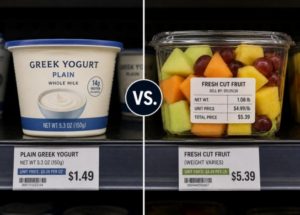
Fixed Weight vs. Variable Weight Packaging: Which One Actually Fits Your Program?
At a Glance Fixed weight means every package is priced the same, regardless of small differences in actual weight. Variable weight means each package is priced based on its exact weight. Fixed weight offers consistency but can lead to product giveaway through overfill. Variable weight lets you charge for exactly what’s in each package. Product […]
Read More +
Sep 04, 2026
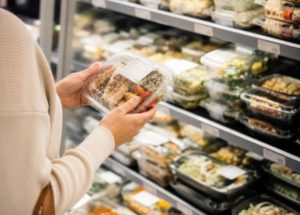
What Today’s Shoppers Really Want (And Why Your Food Packaging Matters)
At a Glance Today’s consumers are still spending, but they’re becoming far more selective, weighing convenience, quality, freshness, and perceived value before making a purchase. Convenience has shifted from a competitive advantage to a basic expectation, making durable, leak-resistant, and tamper-protected packaging more important than ever. As more shopping journeys begin online, packaging must perform […]
Read More +
Aug 26, 2026
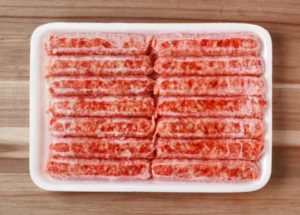
Freezer Burn: What It Is, Why It Happens, and How the Right Packaging Can Stop It Cold
At a Glance Freezer burn is moisture loss that damages food’s texture, flavor, and appearance. High-moisture foods are more vulnerable, especially during longer freezer storage. Packaging matters: WVTR determines how well a material keeps moisture from escaping. The right plastic packaging can help protect product quality and reduce freezer burn. Freezer burn has a way […]
Read More +
Aug 19, 2026
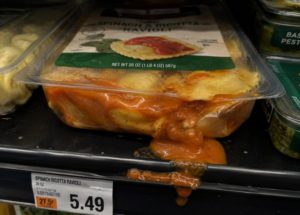
When “Good Enough” Packaging Isn’t Good Enough
At a Glance “Good enough” packaging can quietly reduce shelf appeal, freshness, and consumer trust. Focusing only on the lowest price often leads to hidden costs like shrink, waste, and lost sales. High-quality packaging makes food look fresher and reinforces a premium brand image. The smartest businesses treat packaging as an investment, not just a […]
Read More +

Aug 12, 2026
Hybrid Meals Are Changing How Shoppers Cook. Is Your Packaging Keeping Up?
At a Glance Hybrid meals are becoming the new normal, blending prepared foods with homemade ingredients. Prepared foods are now meal components, not just complete meals. Protein leads the trend because it saves the most time and effort. Packaging must support multiple meals with resealable, reusable designs. Let’s say you grab a hot rotisserie chicken from a grocery store, throw together a […]
Read More +

Aug 03, 2026
Square, Rectangular, or Round? Which Container Shape Is Right for Your Fresh Food Product?
At a Glance Container shape impacts more than appearance, influencing shelf efficiency, branding, shipping, and the consumer experience. Rectangular containers maximize shelf space and label area, making them ideal for many fresh food categories. Square containers offer a balance of efficiency and premium presentation, with a clean, symmetrical look and strong stackability. Round containers excel for bowl-style foods, prioritizing usability and presentation over maximum shelf […]
Read More +