
Aug 19, 2026
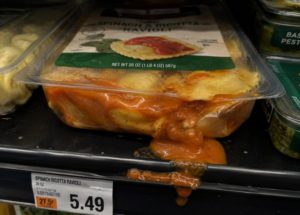
When “Good Enough” Packaging Isn’t Good Enough
At a Glance “Good enough” packaging can quietly reduce shelf appeal, freshness, and consumer trust. Focusing only on the lowest price often leads to hidden costs like shrink, waste, and lost sales. High-quality packaging makes food look fresher and reinforces a premium brand image. The smartest businesses treat packaging as an investment, not just a […]
Read More +

Aug 12, 2026
Hybrid Meals Are Changing How Shoppers Cook. Is Your Packaging Keeping Up?
At a Glance Hybrid meals are becoming the new normal, blending prepared foods with homemade ingredients. Prepared foods are now meal components, not just complete meals. Protein leads the trend because it saves the most time and effort. Packaging must support multiple meals with resealable, reusable designs. Let’s say you grab a hot rotisserie chicken from a grocery store, throw together a […]
Read More +

Aug 03, 2026
Square, Rectangular, or Round? Which Container Shape Is Right for Your Fresh Food Product?
At a Glance Container shape impacts more than appearance, influencing shelf efficiency, branding, shipping, and the consumer experience. Rectangular containers maximize shelf space and label area, making them ideal for many fresh food categories. Square containers offer a balance of efficiency and premium presentation, with a clean, symmetrical look and strong stackability. Round containers excel for bowl-style foods, prioritizing usability and presentation over maximum shelf […]
Read More +

Jul 30, 2026
Stacking Up: Sandwich Packaging Trends in 2026
At a Glance Sandwich packaging trends in 2026 are being shaped by changing consumer preferences for portion flexibility, protein-rich options, and grocery-prepared meals that compete with restaurants. Resealable, clear, and sturdy packaging helps preserve freshness, showcase ingredients, and deliver the convenience shoppers increasingly expect. Premium breads, handheld formats, and value-driven portion sizes are fueling continued demand for sandwiches across grocery deli […]
Read More +
Jul 23, 2026
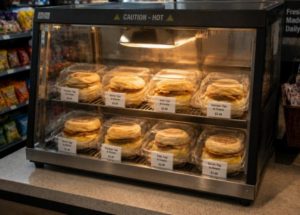
What Heat Lamps Are Really Doing to Your Food and Packaging
At a Glance Heat lamps preserve hot food freshness, but can potentially pull moisture from food, causing dryness, discoloration, and reduced shelf appeal. Anti-fog coatings improve visibility but don’t prevent moisture loss. PP handles heat better than PET, but prolonged exposure can still affect container performance. Choosing the right packaging and managing temperature and hold times helps maintain food quality. One […]
Read More +

Jul 15, 2026
This is Why Polypropylene Pricing Can Be Tricky (And What Food Businesses Can Do About It)
At a Glance Learn how polypropylene (PP) is made and why its pricing can change so quickly. Discover the biggest drivers behind polypropylene price volatility, from propane markets to production outages. Understand which market indicators can provide early warning of potential price increases. See what food businesses can do to reduce surprises and better prepare […]
Read More +
Jul 06, 2026
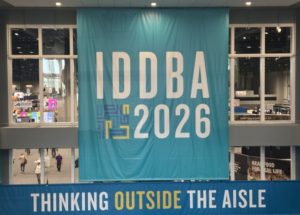
What the 2026 IDDBA Show Revealed About the State and Future of Dairy, Deli, and Bakery
At a Glance The 2026 IDDBA show highlighted strong momentum across dairy, deli, and bakery, while revealing important shifts in category performance and consumer demand. Protein has become a dominant purchase driver, expanding beyond dairy into categories like bakery and influencing product innovation. Inflation, GLP-1 medications, and a generational shift toward Millennials and Gen Z are […]
Read More +

Jul 06, 2026
What is California’s Assembly Bill 3336 and What Does it Mean for Food Businesses?
At a Glance California’s AB-3336 requires ready-to-eat food delivered through third-party services to be sealed with a tamper-evident method before leaving the restaurant. The goal is to protect consumers and give customers confidence that their food hasn’t been opened or altered during delivery. Common solutions include tamper-evident stickers, sealed bags, and containers with built-in tamper protection. Beyond […]
Read More +

Jun 30, 2026
The Truth About PET and OPS Pricing
At a Glance OPS may look cheaper on paper, but breakage, spoilage, and shelf-life limitations can offset its cost advantage. PET is more durable, offers better food protection, and helps reduce waste. New EPR regulations could make OPS more expensive due to low recycling value and potential fees. PET has stronger recycling infrastructure, PCR content […]
Read More +

Jun 24, 2026
Is the Iran Conflict Over? What Food Businesses Should Be Watching Now
At a Glance The Strait of Hormuz may be becoming more stable, but supply chains will take time to recover fully. Packaging supply chains depend on energy, resin, shipping, and transportation, so disruptions can still create uncertainty. Waiting to order packaging may increase risk if inventory is already tight or demand is growing. Focus on […]
Read More +
